
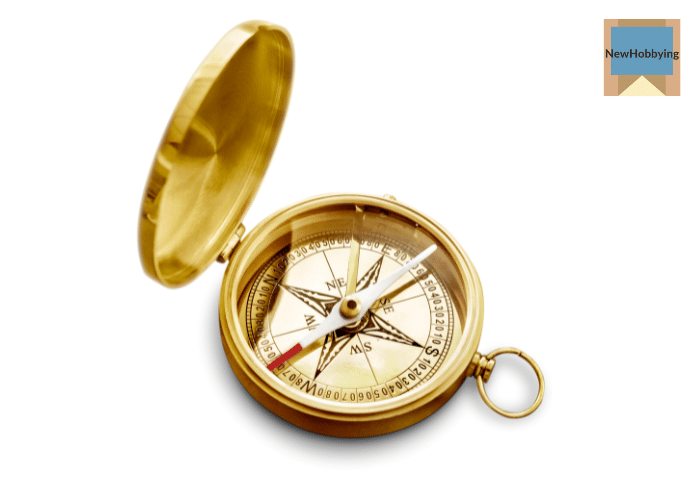
Introduction: How To Start Collecting Compasses
Collecting compasses is a fascinating hobby that can provide a glimpse into the history of navigation and exploration. Compasses have been used for centuries to help people find their way, and there is a wide range of antique and vintage compasses available for collectors to choose from.
If you are interested in starting a collection of compasses, there are a few things to keep in mind. First, it is important to do some research and learn about the different types of compasses that are available. This will help you to identify the features and characteristics that are most important to you, and will also give you a better understanding of the history and evolution of these instruments.
Another important consideration when starting a collection of compasses is to set a budget. Antique and vintage compasses can vary widely in price, depending on factors such as age, rarity, and condition. By setting a budget, you can ensure that you are able to acquire the pieces that you want without overspending. With a little patience and some careful planning, anyone can start a collection of compasses that will provide years of enjoyment and fascination.
Why Collect Compasses?
Compasses have been around for centuries and were used by sailors, explorers, and surveyors to navigate through unknown territories. They have played a crucial role in the history of human exploration and have helped us understand the world we live in. Today, compasses are still widely used by hikers, campers, and other outdoor enthusiasts. But why should you start collecting compasses?
History and Tradition
Collecting compasses is a great way to learn about the history and tradition of navigation. Compasses have been used for centuries and have played a significant role in the development of modern navigation tools. By collecting compasses, you can gain insight into the evolution of navigation technology and the role it has played in shaping our world.
Unique Designs
Compasses come in a variety of designs, from simple pocket compasses to ornate antique compasses. Each compass has its own unique design and history, making them a fascinating collectible item. Some compasses even have intricate engravings or are made from rare materials, making them a valuable addition to any collection.
Practical Use
While collecting compasses can be a fun hobby, it also has practical applications. If you enjoy hiking or camping, having a collection of compasses can be useful for navigating through unfamiliar terrain. Additionally, having a collection of compasses can be a great way to teach others about navigation and the importance of being prepared when exploring the great outdoors.
Investment Potential
Collecting compasses can also be a smart investment. Antique compasses, in particular, can be quite valuable and have a high resale potential. However, it’s important to do your research and ensure that you’re purchasing authentic and valuable compasses, as there are many replicas and fakes on the market.
In conclusion, collecting compasses can be a rewarding and educational hobby. Whether you’re interested in the history of navigation, unique designs, practical use, or investment potential, there are many reasons to start collecting compasses.
Understanding Compasses
When starting to collect compasses, it is important to understand the different types and how they work. There are two main types of compasses: magnetic compasses and baseplate compasses.
Magnetic Compasses
Magnetic compasses use a magnetized needle that aligns with the Earth’s magnetic field to point towards magnetic north. It is important to note that magnetic north and true north are not the same, and the difference between the two is known as declination. To find true north, you must adjust for declination using online tools or maps.
Accuracy is important when using a magnetic compass, as interference from nearby metal objects or the earth’s magnetic field can cause the needle to deviate from its true direction. To ensure accuracy, it is recommended to keep the compass away from metal objects and to hold it level while taking readings.
Baseplate Compasses
Baseplate compasses are a type of magnetic compass that includes a transparent baseplate with markings for map navigation. These compasses are useful for orienteering and can help you navigate using a map and a bearing.
When using a baseplate compass, it is important to align the compass with the map by placing the edge of the baseplate along the desired route and aligning the compass needle with the map’s north-south lines. This will give you an accurate bearing to follow.
In conclusion, understanding the workings of compasses is essential when starting a collection. Magnetic compasses and baseplate compasses are the two main types to consider, and accuracy is key when using them for navigation. By following these guidelines, you can start your collection and use these tools to explore the world around you.
History of Compasses
Compasses have been used for navigation for centuries and have a rich history. The first compasses were made of lodestone, a naturally magnetized stone of iron, in Han dynasty China. It was called the “South Pointing Fish” and was used for land navigation by the mid-11th century during the Song dynasty (960-1279 AD). The compass was later used for maritime navigation and played a crucial role in the Age of Exploration.
During the 13th century, sailors started using a dry compass, which used a pivoting needle attached to a compass card in a wooden box. The direction points of the compass card looked like a rose, hence the name “compass rose”. This type of compass was used on ships until the invention of the pocket watch in the 16th century, which allowed sailors to determine their longitude by comparing local time with the time at a known location.
The development of the compass in Europe led to the creation of magnetic declination tables, which allowed sailors to determine the difference between magnetic north and true north. This was important for accurate navigation and helped sailors avoid dangerous reefs and rocks.
Today, compasses are still widely used for navigation, but they have also become popular as collectibles. Many antique compasses are highly sought after by collectors and can be quite valuable. Whether you are interested in collecting antique compasses or simply want to learn more about their history, the compass has a fascinating story that is worth exploring.
Types of Compasses
When it comes to compasses, there are different types to choose from. Here are two of the most common types of compasses:
Magnetic Compasses
Magnetic compasses are the most traditional type of compasses. They work by using a magnetic needle or card that aligns itself with the Earth’s magnetic field to point north. The needle or card is usually marked with the cardinal directions: North, South, East, and West.
It’s important to note that magnetic north is not the same as true north. True north is the direction towards the North Pole, while magnetic north is the direction towards the magnetic north pole. The difference between the two is called magnetic declination, and it varies depending on your location.
Baseplate Compasses
Baseplate compasses are a type of compass that has a rectangular baseplate with an orienting arrow and orienting lines. They are lightweight and easy to carry, making them a great option for hikers and backpackers.
To use a baseplate compass, place the compass on a flat surface and turn the dial until the orienting arrow points to north. Then, hold the compass level and turn your body until the magnetic needle aligns with the orienting arrow.
Baseplate compasses also have a ruler on the edge of the baseplate, which can be used to measure distances on a map. Some baseplate compasses also have a magnifying glass, which can be useful for reading small details on a map.
Overall, when choosing a compass, consider your needs and the environment you will be using it in. Magnetic compasses are great for general navigation, while baseplate compasses are better for more detailed navigation on a map.
Using a Compass
If you’re new to collecting compasses, it’s important to learn how to use them properly. Here are some basic steps to get you started.
Finding Cardinal Directions
Before you can use a compass to navigate, you need to know how to find the cardinal directions: North, South, East, and West.
To find North, hold the compass level and steady, and turn yourself until the red end of the needle is pointing towards the North marking on the housing.
To find the other cardinal directions, simply turn the housing until the appropriate marking lines up with the red end of the needle.
Navigating with a Compass
Once you know how to find the cardinal directions, you can use your compass to navigate. Here are some steps to follow:
- Hold the compass level and steady, and turn yourself until the red end of the needle is pointing towards North.
- Look at the housing and find the degree markings. These will help you determine the direction you want to go.
- Turn the housing until the degree marking for your desired direction lines up with the direction of travel arrow on the base of the compass.
- Hold the compass steady and walk in the direction of the direction of travel arrow.
It’s important to note that compasses can sometimes be affected by magnetic fields, so it’s a good idea to periodically adjust your compass for accuracy.
Overall, using a compass is a simple process once you understand the basics. With a little practice, you’ll be navigating like a pro in no time.
Collecting Compasses
If you’re interested in collecting compasses, there are a few things you should know before you get started. In this section, we’ll cover the basics of building a collection and caring for it.
Building a Collection
When it comes to building a collection of compasses, there are many things to consider. Here are a few tips to help you get started:
- Start with a focus: Decide what type of compasses you want to collect. Do you want to focus on antique compasses, or do you prefer modern ones? Do you want to collect compasses from a specific region or time period? Having a focus will help you narrow down your search and make your collection more cohesive.
- Research: Do your research before you start buying. Learn about the different types of compasses, their history, and how they work. This will help you make informed decisions when it comes to purchasing compasses for your collection.
- Attend auctions and estate sales: You can often find great deals on compasses at auctions and estate sales. Make sure to inspect the compasses carefully before you buy them to ensure they are in good condition.
- Join a collectors’ club: Joining a collectors’ club can be a great way to meet other collectors and learn more about compasses. You can also attend trade shows and other events to find new pieces for your collection.
Caring for Your Collection
Once you’ve started building your collection, it’s important to take care of it. Here are a few tips to help you keep your compasses in good condition:
- Store your compasses properly: Keep your compasses in a dry, cool place away from direct sunlight. Avoid storing them in areas with high humidity or temperature fluctuations.
- Clean your compasses carefully: Use a soft, dry cloth to clean your compasses. Avoid using water or any cleaning products that could damage the compass.
- Check for accuracy: Make sure to check the accuracy of your compasses regularly. You can do this by comparing the readings to a map or other known landmark.
- Be aware of magnetic variation: Magnetic variation can affect the accuracy of your compass. Make sure to adjust for it if necessary.
- Consider feng shui: Some people believe that compasses can have a positive impact on the energy of a space. If you’re interested in feng shui, consider using a compass to determine the best placement for your compass collection.
Overall, collecting compasses can be a rewarding hobby for those interested in navigation tools and history. With a little research and care, you can build a unique and valuable collection of compasses.
