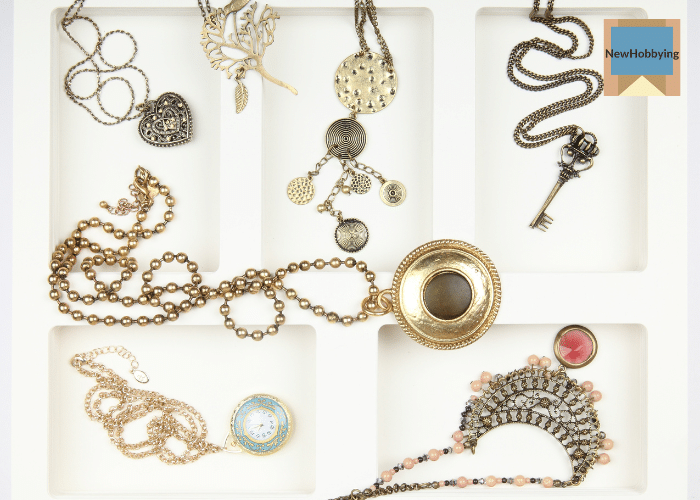
Introduction: How To Start Collecting Antique Jewellery
Antique jewellery is a unique and fascinating world that can be a joy to explore. Pieces from different eras and cultures can tell stories and provide insights into history and art. However, starting a collection of antique jewellery can be daunting, especially for beginners who are not familiar with the market.
The first step in starting a collection is to do some research. It is essential to familiarize yourself with different eras, styles, and materials. You can start by reading books and articles, visiting museums and antique shops, and talking to experts and collectors. This will help you develop an eye for quality and authenticity and avoid common mistakes when buying antique jewellery.
Once you have some knowledge, you can start looking for pieces that appeal to you. It is important to buy from reputable dealers or auction houses that can provide certificates of authenticity and provenance. You should also consider your budget and whether you want to focus on a particular style, period, or material. Remember that collecting antique jewellery is a long-term investment that requires patience, dedication, and passion.
Why Collect Antique Jewellery
Antique jewellery has been a popular choice for collectors for many years. There are several reasons why people choose to collect antique jewellery, including its historical significance, unique design, and potential investment value.
One of the primary reasons people collect antique jewellery is its historical significance. Antique jewellery is a tangible piece of history that has survived the test of time. Each piece tells a story about the time period in which it was created, the culture and style of the era, and the materials and techniques used.
Another reason people collect antique jewellery is for its unique design. Antique jewellery often features intricate details, rare gemstones, and unusual materials that are not commonly used in modern jewellery. The design of antique jewellery is often considered to be more artistic and individualistic than modern jewellery.
Antique jewellery can also be a valuable investment. The value of antique jewellery is determined by several factors, including its rarity, condition, and historical significance. Collectors who invest in antique jewellery can potentially see a significant return on their investment if they choose to sell their collection in the future.
Collecting antique jewellery can be a rewarding hobby, but it’s important to work with reputable dealers and educate yourself on the market before making any purchases. By doing so, you can ensure that you are making informed decisions and building a valuable collection that you can enjoy for years to come.
How to Start Collecting Antique Jewellery
If you’re interested in starting a collection of antique jewellery, there are a few things you should consider before making your first purchase. From researching different eras to setting a budget, here are some tips to help you get started.
Researching Antique Jewellery
Before you start shopping, it’s important to do some research on the different eras of antique jewellery. This will help you identify the styles and materials that are most appealing to you, as well as give you a better understanding of the history and construction of each piece.
Some popular eras of antique jewellery include Georgian, Edwardian, Retro, and Art Deco. Each era has its own unique characteristics and materials, so it’s important to do your research to ensure you’re purchasing authentic antique jewellery.
Setting a Budget
Antique jewellery can range in price from a few hundred dollars to tens of thousands of dollars, depending on the quality, rarity, and provenance of the piece. It’s important to set a budget before you start shopping to ensure you don’t overspend.
When setting your budget, consider the cost of any necessary repairs or restorations, as well as the cost of any additional materials or services you may need, such as a condition report or appraisal.
Identifying Authentic Antique Jewellery
One of the biggest challenges of collecting antique jewellery is identifying authentic pieces. It’s important to do your research and work with reputable sellers to ensure you’re purchasing genuine antique jewellery.
Look for signatures or hallmarks on the piece, which can help you identify the time period and maker. Additionally, consider the provenance of the piece, which can provide valuable information about its history and authenticity.
Building a Collection
Once you’ve done your research, set your budget, and identified authentic antique jewellery, it’s time to start building your collection. Consider starting with statement pieces that reflect your personal style and taste.
You can find antique jewellery at a variety of sources, including auctions, vintage and antique stores, and flea markets. When shopping in person, be sure to examine the piece closely and ask the seller for any additional information or documentation.
In summary, collecting antique jewellery requires knowledge, research, and a discerning eye. By setting a budget, identifying authentic pieces, and building a collection that reflects your personal style, you can start your journey as an antique jewellery collector.
Finding Antique Jewellery
When starting a jewellery collection, finding the right pieces can be a daunting task. Here are some tips on where to begin your search for antique jewellery.
Trusted Dealers and Sellers
One of the best ways to find quality antique jewellery is through trusted dealers and sellers. These professionals have the knowledge, expertise, and connections to source authentic pieces and provide valuable information about their history and value. Look for dealers and sellers with a good reputation and years of experience in the antique jewellery market.
Auctions and Estate Sales
Auctions and estate sales are another great way to find antique jewellery. These events often offer a wide selection of pieces, ranging from rare and valuable to more affordable options. Make sure to do your research beforehand and attend reputable auction houses or estate sales to ensure you are getting authentic pieces.
Flea Markets and Antique Fairs
Flea markets and antique fairs can be a treasure trove for antique jewellery collectors. While it may take some digging, you can often find unique and affordable pieces at these events. However, it’s important to be cautious and do your research to ensure you are not purchasing fake or low-quality pieces.
When searching for antique jewellery, it’s important to have a passion for the pieces and a desire to learn more about their history and value. With the help of trusted dealers and sellers, auctions and estate sales, and flea markets and antique fairs, you can start building a beautiful and valuable jewellery collection.
Styles and Eras of Antique Jewellery
Antique jewellery is a reflection of the past, and each era has its unique style and aesthetic. Understanding the different eras and styles of antique jewellery will help you make informed decisions when starting your collection. Here are some of the most popular styles and eras of antique jewellery:
Georgian Era
The Georgian era, from 1714 to 1837, was marked by a focus on classical designs, with motifs such as flowers, leaves, and birds. The jewellery of this era was often made with precious stones such as diamonds, emeralds, and rubies, and was crafted with silver or gold. The Georgian era is also known for its sentimental jewellery, which was often given as a token of love or affection.
Victorian Era
The Victorian era, from 1837 to 1901, was a time of great change and innovation in jewellery design. The early Victorian era was marked by romantic designs, with motifs such as hearts, flowers, and bows. The later Victorian era saw a shift towards more elaborate and ornate designs, with the use of coloured stones such as amethysts, garnets, and opals. The Victorian era is also known for its mourning jewellery, which was often made with black enamel and hair.
Art Nouveau Styles
The Art Nouveau movement, from the late 1800s to the early 1900s, was marked by a focus on nature and organic forms. The jewellery of this era often featured flowing lines, floral motifs, and asymmetrical designs. Art Nouveau jewellery was often made with materials such as enamel, pearls, and coloured stones.
Edwardian Era
The Edwardian era, from 1901 to 1910, was marked by a focus on elegance and luxury. The jewellery of this era was often made with platinum, which allowed for delicate and intricate designs. Edwardian jewellery was often set with diamonds and other precious stones, and featured motifs such as bows, ribbons, and garlands.
Retro Period
The Retro period, from the 1930s to the 1950s, was marked by a focus on glamour and Hollywood-inspired designs. Retro jewellery was often made with gold and featured bold designs, such as large cocktail rings and oversized brooches. The Retro period is also known for its use of coloured stones, such as aquamarines and citrines.
In conclusion, understanding the different styles and eras of antique jewellery is essential when starting your collection. Each era has its unique aesthetic and design, and by familiarizing yourself with these styles, you can make informed decisions when purchasing antique jewellery.
Frequently Asked Questions
Where can I find antique jewelry?
Antique jewelry can be found in a variety of places, including antique shops, estate sales, auctions, and online marketplaces. It’s important to do your research and make sure you’re buying from a reputable seller. You can also consider working with a jewelry consultant or appraiser who specializes in antique jewelry.
What should I look for when buying antique jewelry?
When buying antique jewelry, it’s important to consider the condition, authenticity, and provenance of the piece. Look for any signs of damage or wear, such as missing stones or scratches. It’s also important to verify that the piece is authentic and has not been altered or repaired. Finally, consider the history and provenance of the piece, as this can impact its value and collectability.
How can I tell if antique jewelry is authentic?
There are several ways to determine if antique jewelry is authentic, including examining the materials, construction, and markings on the piece. It’s also important to research the history and provenance of the piece to verify its authenticity. Working with a reputable jeweler or appraiser can also help you determine the authenticity of a piece.
What are some popular eras for antique jewelry?
Some popular eras for antique jewelry include the Victorian, Art Nouveau, Art Deco, and Retro periods. Each era is characterized by unique styles, materials, and techniques, and has its own distinct aesthetic.
Can antique jewelry be repaired?
Yes, antique jewelry can be repaired, but it’s important to work with a jeweler who specializes in antique jewelry and understands the unique challenges and considerations involved in repairing these pieces. It’s also important to consider the impact that repairs may have on the value and collectability of the piece.
How do I care for antique jewelry?
Antique jewelry requires special care and attention to ensure that it remains in good condition. It’s important to store antique jewelry in a dry, cool place away from direct sunlight and to avoid exposing it to harsh chemicals or abrasive materials. Regular cleaning and maintenance by a professional jeweler can also help preserve the condition and value of antique jewelry.