
How to Start Collecting Retro Board Games?
Retro board games have a unique charm that captivates enthusiasts and collectors alike. These timeless classics provide hours of entertainment and nostalgia, transporting players back to a simpler era. If you’re eager to embark on the exciting journey of collecting retro board games, this guide will walk you through the essential steps to get started.
1. Introduction to retro board games
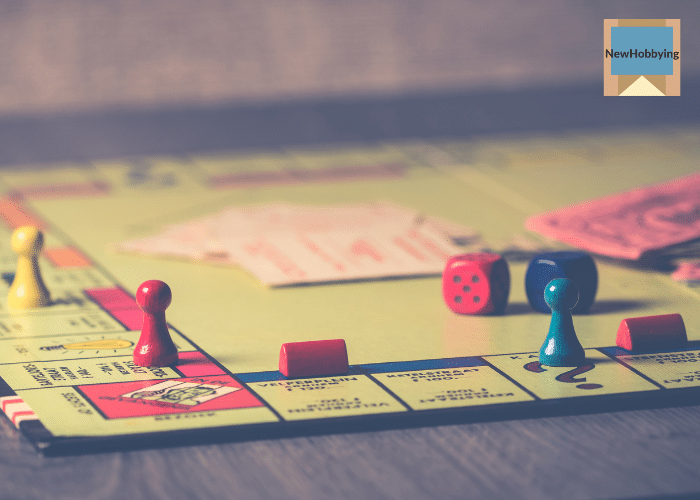
Retro board games refer to those that were popular during past decades, usually the 20th century. These games, often characterized by their vintage artwork and design, hold a special place in the hearts of many. From family favorites like Monopoly and Scrabble to cult classics like HeroQuest and Risk, retro board games offer a diverse range of options for collectors to explore.
2. The allure of collecting retro board games
There’s something magical about holding a piece of gaming history in your hands. Retro board games evoke a sense of nostalgia and sentimentality, reminding us of cherished memories and simpler times. Collectors are drawn to the unique aesthetics, intricate gameplay mechanics, and the opportunity to rediscover forgotten gems from the past.
3. Researching and identifying retro board games
Before diving into the world of retro board game collecting, it’s essential to conduct thorough research and identify the games that pique your interest. Explore popular titles from different eras and genres, and familiarize yourself with the key characteristics of sought-after games. Consider factors such as popularity, rarity, and value when making your choices.
a. Popular retro board game titles
Some of the most sought-after retro board games include:
- “Settlers of Catan”
- “Axis & Allies”
- “Dungeons & Dragons”
- “Risk”
- “Stratego”
b. Rarity and value considerations
Certain editions or versions of retro board games may be more valuable due to their scarcity or unique features. Research their rarity and check online marketplaces or forums to get an idea of their current market value. Remember, the condition of the game and its components significantly affects its worth.

4. Locating retro board games
To begin your collection, you’ll need to find retro board games. Explore different avenues to maximize your chances of discovering hidden treasures.
a. Local game stores
Start by visiting local game stores or hobby shops in your area. These establishments often stock a variety of board games, including vintage titles. Strike up conversations with store owners or employees, as they might have valuable insights and recommendations.
b. Thrift stores and yard sales
Thrifting can be an excellent way to stumble upon retro board games at bargain prices. Check out thrift stores, flea markets, and yard sales, where you might find hidden gems amidst a sea of discarded items. Keep an open mind and be prepared to do some digging.
c. Online marketplaces and forums
The internet provides a vast array of resources for retro board game collectors. Online marketplaces like eBay, BoardGameGeek, and Facebook Marketplace are treasure troves for finding and purchasing vintage games. Additionally, forums and social media groups dedicated to board game enthusiasts often have active communities that share valuable information and trade or sell games.
5. Evaluating the condition of retro board games
When acquiring retro board games, it’s crucial to assess their condition to ensure you’re getting a quality product. Pay attention to the following aspects:
a. Box and components
Inspect the game’s box for any signs of damage, such as tears, creases, or water damage. Verify that all components, including game boards, cards, dice, and tokens, are complete and in good condition.
b. Rulebooks and instructions
Check if the game includes the original rulebook or instructions. Having the complete set of rules enhances the gaming experience and increases the value of the game for collectors.
c. Age-related wear and tear
Understand that retro board games might show signs of age-related wear and tear. However, excessive damage or missing parts can significantly impact the value and playability of the game.
6. Building a retro board game collection
As a collector, it’s essential to approach building your retro board game collection strategically. Consider the following tips:
a. Setting a budget
Decide on a budget that suits your financial situation and stick to it. Collecting retro board games can be addictive, and it’s easy to overspend. Having a budget ensures that you make informed purchasing decisions and avoid financial strain.
b. Focusing on specific themes or genres
Narrowing down your collection to specific themes or genres can add depth and coherence to your assortment. Whether you’re interested in fantasy, sci-fi, war games, or specific time periods, focusing your efforts can make your collection more meaningful.
c. Expanding your collection gradually
Retro board game collecting is a marathon, not a sprint. Avoid the temptation to amass a large number of games in a short period. Instead, focus on acquiring high-quality, sought-after titles gradually. Patience and persistence will be rewarded with a curated collection that brings you joy.
7. Storing and preserving retro board games
To ensure the longevity of your retro board game collection, proper storage and preservation are crucial. Consider the following guidelines:
a. Proper storage techniques
Store your games in a cool, dry place away from direct sunlight. Use shelves or storage containers that protect the boxes from excessive pressure or potential water damage.
b. Protection against sunlight and humidity
Exposure to sunlight and high humidity can cause irreparable damage to the components and artwork of retro board games. Consider using UV-resistant sleeves for cards and keeping your collection in a climate-controlled environment.

8. Connecting with the retro board game community
One of the joys of retro board game collecting is connecting with like-minded individuals who share your passion. Engage with the community to enhance your experience:
a. Attending board game conventions and meetups
Board game conventions and local meetups provide opportunities to meet fellow collectors, discover new games, and engage in friendly competitions. These events often host marketplaces where you can buy, sell, or trade games with other enthusiasts.
b. Joining online communities and forums
The internet has made it easier than ever to connect with board game enthusiasts worldwide. Join online communities and forums dedicated to retro board games to share your experiences, seek advice, and participate in discussions.
c. Sharing and trading games with fellow collectors
Collaborate with other collectors to expand your collection. Consider organizing game nights where you can exchange games or even borrow titles you haven’t played before. Sharing and trading games with fellow collectors not only fosters camaraderie but also allows you to experience a broader range of retro board games.
9. Understanding the value of your retro board game collection
As your collection grows, it’s important to understand the value of your games. Consider the following factors:
a. Factors influencing value
Factors such as rarity, demand, condition, and cultural significance influence the value of retro board games. Stay informed about market trends and changes in the collector’s market to assess the worth of your collection accurately.
b. Appraisals and price guides
For a more precise valuation, you can consult professional appraisers or refer to price guides specifically designed for board game collectors. These resources provide insights into the current market value of different retro board games.
c. Selling or trading retro board games
Should you decide to part ways with certain games in your collection, explore selling or trading options. Online marketplaces, local game stores, or board game conventions often provide avenues for selling or trading retro board games.
10. Conclusion: How to start collecting retro board games
Starting a retro board game collection is a delightful and rewarding endeavor. By researching, locating, and evaluating games, you can curate a collection that reflects your unique interests and brings joy to your gaming sessions. Engaging with the retro board game community adds another layer of excitement and connection to your collecting journey. Remember to preserve and protect your games, understand their value, and enjoy the nostalgia and thrill they bring.
FAQs
1. Are retro board games expensive to collect?
Retro board games vary in price, ranging from affordable to highly valuable. While some games might require a significant investment, many can be found at reasonable prices through thrifting and online marketplaces.
2. How can I ensure the authenticity of a retro board game?
Researching the game’s history, examining its components and box, and purchasing from reputable sources can help ensure the authenticity of a retro board game. Be cautious of counterfeit or replica versions.
3. Can I play retro board games, or are they solely for collecting?
Retro board games are meant to be played and enjoyed. Collecting them allows you to appreciate their historical and cultural significance while relishing the gameplay experience they offer.
4. What should I do if I cannot find a specific retro board game?
If you’re having difficulty finding a particular retro board game, consider joining online forums or communities dedicated to retro gaming. Fellow enthusiasts might be able to provide guidance or even have the game available for sale or trade.
5. Can I mix modern board games with retro ones in my collection?
Absolutely! There are no hard and fast rules when it comes to building your board game collection. Mixing modern and retro games can create an exciting blend of old and new, offering a diverse gaming experience.
