Introduction: How To Start Collecting Quilts
Quilts are more than just a cozy bed covering. They are a piece of history, a work of art, and a symbol of comfort and warmth. For those who appreciate the beauty and craftsmanship of quilts, collecting them can be a fulfilling hobby. But where do you start? In this article, we will explore the world of quilt collecting and provide tips for how to start your own collection.
First, we will discuss why people collect quilts. From sentimental value to aesthetic appeal, there are many reasons why someone might want to start a quilt collection. We will also address some common misconceptions about quilt collecting, such as the idea that it is an expensive hobby. Then, we will dive into the practical aspects of starting a quilt collection, including determining your focus, researching your options, and joining a community. Whether you are a seasoned collector or a beginner, this article will provide valuable insights and advice for starting your own quilt collection.
Key Takeaways
- Quilts are more than just a cozy bed covering – they are a piece of history, a work of art, and a symbol of comfort and warmth.
- There are many reasons why someone might want to start a quilt collection, and it is not necessarily an expensive hobby.
- To start a quilt collection, it is important to determine your focus, research your options, and join a community of fellow collectors.
Why Collect Quilts?
Quilts are a unique and fascinating form of art, with a rich history and a deep cultural significance. Collecting quilts is a rewarding and meaningful hobby that can provide a lifetime of enjoyment and learning. There are many reasons why people choose to collect quilts, including the artistic value, historical value, and personal connection that they offer.
Artistic Value
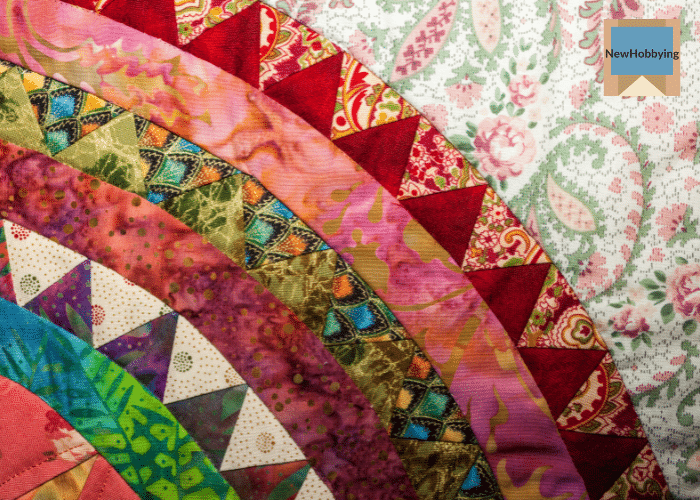
Quilts are works of art that showcase a wide variety of colors, patterns, and designs. Each quilt is a unique expression of its creator, reflecting their personal style and artistic vision. Quilts can be made using a variety of materials, including cotton, silk, wool, and other fabrics, and can feature a wide range of quilting designs and motifs.
Quilts can also be appreciated for their technical skill and craftsmanship. The process of quilting involves piecing together small pieces of fabric to create a larger design, and then stitching the layers together to create a finished quilt. This process requires a great deal of skill and patience, and the finished product is a testament to the quilter’s dedication and talent.
Historical Value
Quilts have a long and fascinating history, dating back to ancient times. Quilting was a practical way for people to create warm, durable blankets, and was often done using scraps of fabric from clothing and other household items. Over time, quilting evolved into a beloved art form, with quilters creating complex designs and patterns using a wide range of fabrics and techniques.
Quilts can also offer valuable insights into the history and culture of a particular time and place. Many quilts were made to commemorate important events or people, and can offer a unique perspective on the social and political issues of the day. Quilts can also provide a glimpse into the daily lives of ordinary people, and can be a valuable resource for historians and researchers.
Personal Connection
For many people, collecting quilts is a way to connect with their own personal history and heritage. Quilts can be passed down from generation to generation, serving as a tangible link to the past. They can also be a way to honor the memory of loved ones, or to celebrate important milestones and events.
Quilts can also be a way to connect with others who share a passion for this unique art form. There are many quilting communities and groups that offer support, inspiration, and education for quilt collectors and enthusiasts. Whether you are a beginner or an experienced collector, there is always something new to learn and discover in the world of quilts.
In conclusion, collecting quilts is a rewarding and fulfilling hobby that can offer a lifetime of enjoyment and learning. Whether you are drawn to the artistic value, historical value, or personal connection that quilts offer, there is something for everyone in the world of quilt collecting. With a little research, planning, and focus, you can build a beautiful and meaningful quilt collection that will enhance your life and enrich your heritage.
How to Start Collecting Quilts
Starting a quilt collection can be a fun and rewarding experience. Whether you’re interested in antique quilts, contemporary quilts, or a specific style or pattern, there are a few key steps to take when starting your collection.
Determine Your Focus
Before you start collecting, it’s important to determine your focus. Do you want to collect quilts from a specific time period, region, or style? Are you interested in quilts made by a particular artist or author? Identifying your focus will help you narrow down your options and make informed decisions when adding to your collection.
Research Your Options
Once you’ve determined your focus, it’s important to research your options. Visit museums, quilt shows, and antique shops to see different styles and patterns. Look online for inspiration and to learn more about the quilting process. Join a quilt study group or online community to connect with other collectors and learn from their experiences.
Set a Budget
When starting a quilt collection, it’s important to set a budget. Quilts can range in price from a few dollars to thousands of dollars, depending on factors such as size, materials, and provenance. Determine how much you’re willing to spend and stick to your budget.
Start Small
Starting small is a good strategy when beginning a quilt collection. Look for small quilts or quilt blocks to start with, and gradually work your way up to larger pieces. This will help you build your collection over time and avoid overspending.
Join a Community
Joining a community of quilt collectors can be a great way to learn more about quilts and connect with other enthusiasts. Look for local quilt guilds or online communities to join. Attend quilt shows and auctions to meet other collectors and learn more about the quilt collecting process.
Starting a quilt collection can be a fun and rewarding experience. By determining your focus, researching your options, setting a budget, starting small, and joining a community, you can build a collection that reflects your interests and enhances your home or office décor.
Determining Your Focus
If you’re interested in starting a quilt collection, the first step is to determine your focus. This will help you narrow down your search and make informed decisions when it comes to purchasing quilts. Here are some sub-sections to consider when determining your focus:
Choose a Style
Quilts come in a variety of styles, from traditional to modern. Consider what styles you’re drawn to and what would fit in with your existing decor. Some popular styles include:
- Amish quilts: known for their bold colors and geometric designs
- Civil War era quilts: typically made from reproduction fabrics and featuring intricate piecing
- Art quilts: one-of-a-kind pieces that are more like works of art than traditional quilts
- Modern quilts: characterized by bold colors and graphic designs
Select a Time Period
Another way to focus your collection is to choose a specific time period. This can be a particular era, such as the 1930s or the Victorian era, or a specific decade. By focusing on a time period, you can gain a deeper understanding of the history and evolution of quilting.
Pick a Type of Quilt
Quilts can also be categorized by type. Some popular types include:
- Medallion quilts: characterized by a central motif surrounded by borders
- Crazy quilts: made from irregularly shaped pieces of fabric and embellished with embroidery
- Patchwork quilts: made from small pieces of fabric sewn together to create a larger design
- Reproduction quilts: made using traditional patterns and fabrics to replicate historic quilts
Consider what type of quilt appeals to you and fits in with your overall focus.
By choosing a style, time period, and type of quilt to focus on, you can begin to build a collection that reflects your interests and passions. Do your research, join a quilt study group or community, and have fun exploring the world of quilt collecting!
Researching Your Options
When starting a quilt collection, it’s important to do your research to ensure you’re making informed decisions. Here are some ways to research your options:
Visit Museums and Libraries
Museums and libraries are great resources for learning about the history and styles of quilts. Many museums have quilt exhibits, and libraries often have books on quilt history and techniques. Take advantage of these resources to gain a better understanding of the different types of quilts and their significance.
Read Quilt History Books
Reading books on quilt history can provide a wealth of information on the subject. Look for books written by quilt historians or collectors with expertise in the field. These books can give you insight into different styles, patterns, and techniques used throughout history, as well as information on specific quilts and their provenance.
Join a Quilt Study Group
Joining a quilt study group can provide a community of like-minded individuals who share your passion for quilting. These groups often meet to discuss different types of quilts, their history, and techniques used in their creation. You can learn from experienced collectors and share your own knowledge with others.
Find Quilt Auctions and Shows
Attending quilt auctions and shows can be a fun way to learn about different styles and patterns of quilts. You can see finished quilts up close and learn about the techniques used to create them. Auctions can also be a great way to add to your collection, but be sure to do your research and set a budget before bidding.
By researching your options, you can enhance your knowledge and appreciation of quilts and make informed decisions when building your collection.
Joining a Community
If you’re interested in collecting quilts, joining a community of fellow enthusiasts can be a great way to learn more about the craft, gain inspiration, and connect with others who share your passion. Here are a few ways to get started:
Attend Quilting Workshops and Classes
Attending quilting workshops and classes is a great way to learn more about the craft and connect with other quilters. Look for local classes or workshops at your community center, fabric store, or quilt guild. These classes can range from beginner-level to advanced, so be sure to find one that fits your skill level.
Join a Quilting Guild
Joining a quilting guild can be a great way to connect with other quilters and learn more about the craft. Many guilds offer workshops, classes, and events where you can meet other collectors and learn new techniques. To find a quilting guild in your area, check with your local fabric store, community center, or search online.
Connect with Other Collectors Online
The internet is a great resource for connecting with other collectors and enthusiasts. Look for online forums, social media groups, and blogs dedicated to quilting and quilt collecting. These online communities can be a great place to share your collection, ask for advice, and connect with other collectors from around the world.
By joining a community of fellow collectors and enthusiasts, you can gain inspiration, learn new techniques, and connect with others who share your passion for quilting.
Frequently Asked Questions
What are some beginner-friendly quilting patterns?
If you’re just starting to collect quilts, it’s a good idea to familiarize yourself with some beginner-friendly quilting patterns. Some popular options include the Log Cabin pattern, the Nine Patch pattern, and the Rail Fence pattern. These patterns are relatively simple and easy to follow, making them great choices for those who are new to quilting.
How can I learn to quilt on my own?
Learning to quilt on your own is definitely possible, but it may take some time and practice. There are plenty of online resources available, including video tutorials and instructional blogs, that can help you get started. Additionally, many quilting supply stores offer beginner-level classes that can help you learn the basics.
Are there any quilting classes available for beginners?
Yes, many quilting supply stores offer classes for beginners. These classes can be a great way to learn the basics of quilting and get hands-on experience with the craft. Additionally, many community centers and adult education programs offer quilting classes for beginners.
What tools and materials do I need to start quilting?
To start quilting, you’ll need a few basic tools and materials. These include a sewing machine, fabric, batting, thread, scissors, a rotary cutter, a cutting mat, and a ruler. You may also want to invest in additional tools, such as a walking foot or a quilting hoop, as you become more experienced.
How can I find local quilting groups or communities?
One of the best ways to find local quilting groups or communities is to ask around at your local quilting supply store. Many stores host regular quilting groups or can point you in the direction of other local groups. Additionally, social media can be a great tool for finding local quilting groups and communities.
What are some tips for selling handmade quilts?
If you’re interested in selling handmade quilts, there are a few things to keep in mind. First, it’s important to price your quilts fairly and competitively. Additionally, you’ll want to focus on creating high-quality quilts that are both visually appealing and functional. Finally, it can be helpful to network with other quilters and attend local craft shows and markets to get your quilts in front of potential buyers.