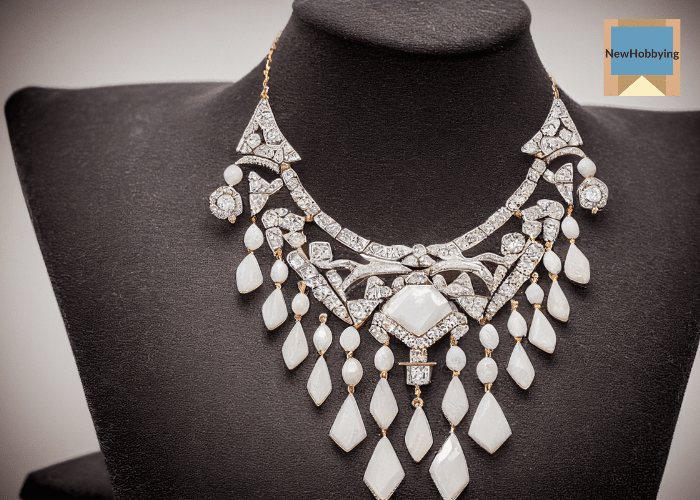
Introduction: How To Start Collecting Art Deco Jewellery
Art Deco jewellery is a timeless and elegant style that has captivated collectors for decades. From the geometric shapes and bold colors to the use of precious metals and gemstones, Art Deco jewellery is a true work of art. If you’re interested in starting your own collection, there are a few things you should know.
First, it’s important to do your research and learn about the history and style of Art Deco jewellery. This will help you identify authentic pieces and understand the value of your collection. You can start by exploring online resources, visiting museums or galleries, and reading books and articles about the subject. Additionally, attending auctions and speaking with experts can provide valuable insights into the world of Art Deco jewellery collecting.
Understanding Art Deco Jewellery
What is Art Deco Jewellery?
Art Deco jewellery is a style of jewellery that emerged in the 1920s and 1930s. It is characterized by its geometric shapes, bold colors, and use of new materials such as platinum and white gold. The style was influenced by the Art Deco movement, which was a popular design style in the 1920s and 1930s.
Art Deco jewellery is known for its clean lines, symmetry, and use of contrasting colors. It often features diamonds, emeralds, rubies, and sapphires, as well as other precious and semi-precious stones. The style was popular among the wealthy and fashionable in the 1920s and 1930s, and it remains a popular style of jewellery today.
History of Art Deco Jewellery
Art Deco jewellery emerged in the 1920s and 1930s, a time of great change and upheaval in the world. The style was influenced by a number of factors, including the Art Deco movement, which was characterized by its use of geometric shapes and bold colors.
Art Deco jewellery was also influenced by the discovery of new materials such as platinum and white gold, which allowed jewellers to create intricate designs with clean lines and bold shapes. The style was popular among the wealthy and fashionable in the 1920s and 1930s, and it remains a popular style of jewellery today.
In the 1920s and 1930s, Art Deco jewellery was often worn as a statement piece, with women wearing bold necklaces, bracelets, and earrings to showcase their wealth and fashion sense. Today, Art Deco jewellery is still highly sought after, and it is often worn as a way to add a touch of vintage glamour to a modern outfit.
Art Deco jewellery is a style that is characterized by its clean lines, bold shapes, and use of new materials. It remains a popular style of jewellery today, and it is highly sought after by collectors and fashion enthusiasts alike.
Collecting Art Deco Jewellery
Why Collect Art Deco Jewellery?
Art Deco jewellery is a popular choice among collectors due to its unique and bold designs that reflect the glamour and luxury of the 1920s and 1930s. The Art Deco movement was a celebration of modernity and technology, and jewellery designers of the time embraced this aesthetic by creating geometric shapes, bold colours, and intricate patterns. Collecting Art Deco jewellery allows you to own a piece of history and appreciate the craftsmanship and creativity of the era.
Categories of Art Deco Jewellery
Art Deco jewellery can be divided into several categories based on the materials and designs used. Some of the most popular categories include:
- Diamonds and gemstones: Art Deco jewellery often features diamonds and colourful gemstones such as emeralds, sapphires, and rubies. These stones were typically set in platinum or white gold to enhance their brilliance.
- Enamel: Enamel was a popular technique used in Art Deco jewellery to add colour and texture to pieces. It was often used to create geometric patterns and designs.
- Bakelite: Bakelite was a type of plastic that was invented in the early 1900s and became popular in the 1920s and 1930s. It was used to create colourful and bold pieces of jewellery, such as bangles and brooches.
- Filigree: Filigree is a delicate and intricate type of metalwork that was commonly used in Art Deco jewellery. It involved twisting and bending thin wires of metal to create patterns and designs.
Investing in Art Deco Jewellery
Art Deco jewellery can be a valuable investment, but it’s important to do your research and buy from reputable dealers. Look for pieces that are in good condition and have a clear provenance. Consider getting an appraisal from a certified appraiser to determine the value of the piece. Keep in mind that the value of Art Deco jewellery can fluctuate depending on market trends and demand.
Budget Considerations
Art Deco jewellery can range in price from a few hundred dollars to tens of thousands of dollars. When starting your collection, consider setting a budget and sticking to it. Look for pieces that fit within your budget but still have the qualities you’re looking for, such as unique designs or high-quality materials. Keep in mind that some materials, such as diamonds and platinum, will be more expensive than others, such as bakelite and enamel.
Collecting Art Deco jewellery can be a rewarding hobby that allows you to appreciate the creativity and craftsmanship of the era. By understanding the different categories of Art Deco jewellery, investing wisely, and setting a budget, you can start building a collection that reflects your personal style and interests.
Identifying Art Deco Jewellery
Art Deco jewellery is a style that emerged in the 1920s and remained popular until the mid-1930s. It is known for its geometric shapes, bold colors, and intricate designs. Identifying Art Deco jewellery can be challenging, but there are some distinctive clues that make it relatively easy to distinguish from other styles of jewellery.
Hallmarks and Signatures
One way to identify Art Deco jewellery is to look for hallmarks or signatures. Many Art Deco pieces were signed by their makers, such as Tiffany & Co., Cartier, or Boucheron. These signatures can be found on the clasp, back, or underside of the piece. Additionally, hallmarks can offer clues about the age and origin of the piece. For example, if a piece was made in France, it may have a French hallmark, such as a Minerva head or a crab.
Provenance and Research
Another way to identify Art Deco jewellery is to research its provenance. Provenance refers to the history of ownership of the piece, including its previous owners, where it was purchased, and any documentation that accompanies it. Provenance can help establish the authenticity of the piece and provide clues about its age and origin. Researching the history of Art Deco jewellery can be time-consuming, but it can also be rewarding and add value to the piece.
Intrinsic Value
Finally, it is important to consider the intrinsic value of the piece when identifying Art Deco jewellery. Intrinsic value refers to the value of the materials used to create the piece, such as the type of metal, gemstones, or enamel. Art Deco jewellery often used high-quality materials, such as platinum, diamonds, and sapphires, which can increase the value of the piece. Additionally, the condition of the piece can affect its intrinsic value, as well as any repairs or alterations that may have been made.
In conclusion, identifying Art Deco jewellery requires a combination of knowledge, research, and attention to detail. By looking for hallmarks and signatures, researching the provenance of the piece, and considering its intrinsic value, collectors can confidently identify and appreciate the beauty and craftsmanship of Art Deco jewellery.
Appreciating Art Deco Jewellery
Art Deco jewellery is known for its geometric shapes, bold colours, and intricate designs. It is a style that originated in the 1920s and 1930s and is still popular today. In this section, we will explore the different aspects of Art Deco jewellery that make it so unique and desirable.
Design and Craftsmanship
Art Deco jewellery is characterized by its clean lines, geometric shapes, and bold colours. The designs are often inspired by nature, such as the sun, moon, stars, and flowers. The craftsmanship involved in creating Art Deco jewellery is exceptional. The pieces are often made by hand and require a high level of skill and precision.
Materials and Gemstones
Art Deco jewellery is made from a variety of materials, including platinum, gold, and silver. Gemstones are also an important part of Art Deco jewellery. Diamonds, emeralds, rubies, and sapphires are often used in Art Deco pieces. The gemstones are often cut in unusual shapes, such as baguettes, trapezoids, and triangles, to fit the geometric shapes of the jewellery.
Famous Art Deco Jewellery Houses
Several famous jewellery houses, such as Cartier, Van Cleef & Arpels, Boucheron, and Harry Winston, are known for their Art Deco jewellery. Cartier is particularly famous for its Art Deco pieces, which often feature colourful gemstones and intricate designs. Van Cleef & Arpels is known for its use of unusual materials, such as coral and jade, in its Art Deco jewellery. Boucheron is known for its Art Deco pieces that incorporate both Eastern and Western design elements. Harry Winston is known for its Art Deco pieces that feature large, high-quality diamonds.
In conclusion, Art Deco jewellery is a unique and desirable style that is still popular today. Its clean lines, bold colours, and intricate designs make it stand out from other styles of jewellery. The craftsmanship involved in creating Art Deco jewellery is exceptional, and the use of high-quality materials and gemstones makes these pieces even more special. Several famous jewellery houses, such as Cartier, Van Cleef & Arpels, Boucheron, and Harry Winston, are known for their Art Deco jewellery and continue to create beautiful pieces today.
Displaying and Storing Art Deco Jewellery
When it comes to displaying and storing your Art Deco jewellery collection, there are a few things to consider. Proper display and storage can help to preserve the quality and value of your pieces over time. Here are some tips to help you choose the right display method and storage solution for your Art Deco jewellery.
Choosing a Display Method
The right display method can help to showcase your Art Deco jewellery collection in the best possible way. Here are some options to consider:
- Jewellery Boxes: Jewellery boxes are a classic way to store and display your Art Deco jewellery. They come in a variety of sizes and styles, from small travel cases to large, multi-tiered boxes. Look for boxes with soft, padded interiors to protect your pieces from scratches and damage.
- Jewellery Stands: Jewellery stands are a great way to display your Art Deco jewellery on your dresser or vanity. They come in a variety of styles, from simple metal stands to ornate, decorative designs. Look for stands with multiple arms or branches to display several pieces at once.
- Wall Displays: Wall displays are a unique way to showcase your Art Deco jewellery collection. They come in a variety of styles, from simple hooks to elaborate, decorative designs. Look for displays with padded backs to protect your pieces from scratches and damage.
Storing Art Deco Jewellery
Proper storage is essential for preserving the quality and value of your Art Deco jewellery collection. Here are some tips to help you store your pieces safely:
- Keep it Dry: Moisture can damage your Art Deco jewellery over time. Store your pieces in a dry, cool place to prevent damage from humidity.
- Avoid Direct Sunlight: Direct sunlight can cause your Art Deco jewellery to fade or become discoloured over time. Store your pieces in a dark, cool place to prevent damage from sunlight.
- Separate Your Pieces: Store your Art Deco jewellery pieces separately to prevent scratches and damage. Use soft, padded storage bags or jewellery boxes to protect your pieces from damage.
In conclusion, choosing the right display method and storage solution can help to preserve the quality and value of your Art Deco jewellery collection over time. Consider the options available and take the necessary steps to protect your pieces from damage.
Exploring Art Deco Jewellery Culture
Art Deco jewellery is a fascinating art form that has captivated collectors and enthusiasts for nearly a century. This style emerged in the 1920s and 1930s, and it was characterized by bold geometric shapes, bright colors, and a celebration of modernity and technology. In this section, we will explore the role of Art Deco jewellery in the art world, contemporary culture, and emerging artists.
Art Deco Jewellery in the Art World
Art Deco jewellery has been featured in many art exhibitions and galleries around the world. These pieces are often considered to be works of art in their own right, and they have been collected by museums and private collectors alike. Some of the most famous Art Deco jewellery designers include Cartier, Van Cleef & Arpels, and Boucheron. These designers were known for their use of precious stones, enameling, and the mystery setting technique, which allowed them to create intricate and detailed designs.
Art Deco Jewellery in Contemporary Culture
Art Deco jewellery has also had a significant impact on contemporary culture. Many designers and artists today draw inspiration from this style, and it is often featured in fashion magazines, on the runway, and in movies. Diamond earrings, turquoise, and other precious stones are still popular choices for contemporary Art Deco jewellery, and many designers are experimenting with new materials and techniques to create unique and modern pieces.
Emerging Artists in Art Deco Jewellery
There are also many emerging artists in the field of Art Deco jewellery. These artists are often self-taught and work with limited budgets, but they are passionate about the art form and are committed to creating beautiful and unique pieces. Many of these artists showcase their work on Instagram and other social media platforms, and they are gaining a following among collectors and enthusiasts.
In conclusion, Art Deco jewellery is a fascinating art form that has had a significant impact on the art world and contemporary culture. Whether you are a seasoned collector or a newcomer to the world of jewellery art, there is always something new and exciting to discover in the world of Art Deco jewellery.
Conclusion
In conclusion, starting a collection of Art Deco jewellery can be a rewarding and exciting experience. With its distinctive style and historical significance, Art Deco jewellery is a popular choice for many collectors.
To begin your collection, it is important to do your research and learn as much as you can about the style and its designers. This will help you identify authentic pieces and make informed purchasing decisions.
When starting your collection, consider your budget and personal preferences. You can choose to focus on a particular designer, type of jewellery, or time period. It is also important to consider the condition of the pieces you are interested in, as well as their rarity and provenance.
To ensure the authenticity of your Art Deco jewellery, it is recommended to only purchase from reputable dealers and auction houses. You can also consider getting your pieces appraised by a professional to verify their value and authenticity.
Overall, collecting Art Deco jewellery can be a fascinating and enjoyable hobby. With careful research and consideration, you can build a collection that is both beautiful and valuable.