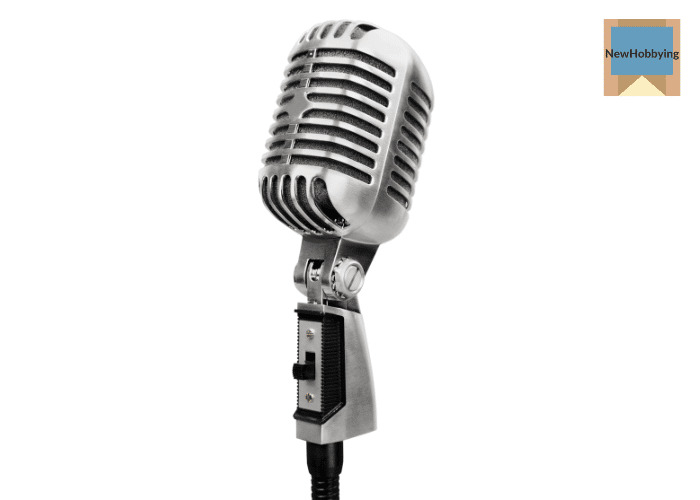
Introduction: How To Start Collecting Vintage Microphones
Collecting vintage microphones can be a fun and rewarding hobby for music enthusiasts and audiophiles. Vintage microphones not only have a unique aesthetic appeal, but they also offer a distinct sound quality that cannot be replicated by modern microphones. If you are interested in starting a collection of vintage microphones, there are a few things to consider before diving in.
First and foremost, it is important to do your research. Learn about the different types and brands of vintage microphones, and familiarize yourself with their features and characteristics. Some of the most popular vintage microphone brands include Neumann, AKG, and RCA. Additionally, consider your budget and set realistic expectations for what you can afford. Vintage microphones can range in price from a few hundred to several thousand dollars, so it is important to establish a budget and stick to it.
Once you have done your research and established a budget, it is time to start hunting for vintage microphones. Look online at auction sites, music equipment stores, and vintage shops. Attend music conventions and trade shows, and connect with other collectors to learn about new opportunities to add to your collection. Remember to always inspect the microphone carefully before purchasing, and be wary of any sellers who make exaggerated or false claims about the microphone’s condition or history.
Why Collect Vintage Microphones?
Vintage microphones are a must-have for any serious audio enthusiast. These microphones have a unique character and tonality that cannot be replicated by their modern counterparts. They are also a great way to connect with the history of audio recording and the technology that has shaped it.
One of the main reasons to collect vintage microphones is their unique tonality. Each microphone has its own distinct sound that can add warmth, character, and depth to your recordings. Vintage microphones are particularly sought after for their warm and rich tones, which can add a unique vintage flavor to your recordings.
Another reason to collect vintage microphones is their performance. Many vintage microphones were built to last and were designed with high-quality materials and craftsmanship. They were also built with a specific purpose in mind, such as recording vocals or instruments, and were often used by some of the most famous musicians and recording artists of all time.
Finally, collecting vintage microphones can be a great way to create a unique and inspiring studio environment. Vintage microphones have a certain aesthetic appeal that can add character and charm to your studio. They can also serve as a source of inspiration, reminding you of the history and legacy of audio recording.
In summary, vintage microphones offer a unique tonality, high performance, and an inspiring studio environment. They are a must-have for any serious audio enthusiast looking to add depth and character to their recordings.
Researching Vintage Microphones
Before diving into the world of vintage microphones, it’s important to do your research. Here are some tips to help you get started:
- Focus on your needs: Determine what you will be using the microphone for and what type of sound you’re looking for. Vintage microphones can vary greatly in terms of sound quality and characteristics, so it’s important to know what you’re looking for before starting your search.
- Research brands and models: Some of the most sought-after vintage microphone brands include Neumann, AKG, RCA, Shure, and Electro-Voice. Research the different models and their specifications to determine which ones might be the best fit for your needs.
- Check for authenticity: With the rise in popularity of vintage microphones, there has also been an increase in counterfeit products. Do your due diligence to ensure that the microphone you’re interested in is authentic. Look for serial numbers, logos, and other identifying features that can help verify its authenticity.
- Read reviews and forums: Look for reviews and discussions about the microphones you’re interested in. This can help you get a better idea of their sound quality and any potential issues or quirks they may have.
- Consider the condition: Vintage microphones can vary greatly in terms of condition. Some may be in pristine condition, while others may require extensive repairs. Be sure to carefully inspect any microphone you’re considering purchasing and factor in the cost of any necessary repairs or restoration.
Overall, researching vintage microphones can be a time-consuming process, but it’s worth it to ensure that you end up with a microphone that meets your needs and expectations.
Buying Vintage Microphones
If you’re interested in starting a collection of vintage microphones, you’ll need to know a few things about buying them. Here are some things to consider before making any purchases.
Budget Considerations
Before you start buying vintage microphones, you should set a budget. Vintage mics can vary greatly in price, from a few hundred dollars to thousands of dollars. The price will depend on several factors, including the brand, model, age, and condition of the microphone. Keep in mind that you may also need to pay for repairs or restoration work, which can add to the overall cost.
Where to Buy
When it comes to buying vintage microphones, there are several options available. Here are a few places to consider:
- Reverb: Reverb is a popular online marketplace for music gear, including vintage microphones. You can find a wide variety of models and prices on the site, and many sellers offer detailed descriptions and photos of the microphones.
- eBay: eBay is another online marketplace where you can find vintage microphones. As with any online purchase, be sure to read the seller’s feedback and ask any questions you may have before making a bid or purchase.
- Local music shops: Local music shops may have vintage microphones for sale, so it’s worth checking with them if you’re interested in buying locally. Keep in mind that their selection may be limited, and the prices may be higher than online marketplaces.
When buying a vintage microphone, be sure to ask the seller about the microphone’s condition, history, and any repairs or restoration work that has been done. You may also want to ask for a demo or sound sample to ensure that the microphone is in working order and has the sound quality you’re looking for.
Overall, buying vintage microphones can be a fun and rewarding hobby. Just be sure to do your research and set a budget before making any purchases.
Vintage Microphone Brands to Look For
When starting a vintage microphone collection, it’s essential to know which brands and models you should be on the lookout for. Here are some of the most sought-after vintage microphone brands that you should consider.
Neumann
Neumann is a German company that has been producing high-quality microphones since the 1920s. Their microphones are known for their clarity, warmth, and detail, making them a favorite among recording engineers. Some of the most popular Neumann models include the U47, U67, and M49. The Neumann U47 is one of the most iconic vintage microphones, and it’s still highly sought after today.
AKG
AKG is an Austrian company that has been producing microphones since the 1940s. Their microphones are known for their accuracy and detail, making them a popular choice for recording classical music. Some of the most popular AKG models include the C12, C414, and D12. The AKG C12 is a classic vintage microphone that’s still in demand today.
Telefunken
Telefunken is a German company that has been producing microphones since the 1930s. Their microphones are known for their warmth and detail, making them a favorite among recording engineers. Some of the most popular Telefunken models include the U47, U48, and ELA M 251. The Telefunken U47 is one of the most iconic vintage microphones, and it’s still highly sought after today.
RCA
RCA is an American company that produced some of the most iconic vintage microphones. Their microphones are known for their warm and smooth sound, making them a popular choice for recording vocals. Some of the most popular RCA models include the 77-DX and 44B. The RCA 77-DX is a classic vintage microphone that’s still in demand today.
Astatic
Astatic is an American company that produced some of the most iconic vintage microphones. Their microphones are known for their durability and versatility, making them a popular choice for live performances. Some of the most popular Astatic models include the JT-30 and the Model 77. The Astatic JT-30 is a classic vintage microphone that’s still in demand today.
When collecting vintage microphones, it’s important to do your research and know what you’re looking for. By focusing on these top vintage microphone brands and models, you can build a collection that will stand the test of time.
Types of Vintage Microphones
When it comes to vintage microphones, there are three main types: ribbon, condenser, and dynamic. Each type has its unique characteristics, making them suitable for different recording situations.
Ribbon Microphones
Ribbon microphones are known for their warm, natural sound and are often used for recording vocals, acoustic instruments, and drum overheads. They work by using a thin strip of metal, usually made of aluminum, suspended between two magnets. As sound waves hit the ribbon, it vibrates, generating an electrical signal that is sent to the recording device.
One popular ribbon microphone is the Coles 4038, which has been used on countless recordings since its introduction in the 1950s. It is known for its smooth, natural sound and is particularly well-suited for recording brass and string instruments.
Condenser Microphones
Condenser microphones use a thin diaphragm and a charged plate to capture sound waves. They are known for their high sensitivity and clarity, making them ideal for recording vocals, acoustic guitars, and other acoustic instruments.
One of the most famous condenser microphones is the Neumann U47, which was first introduced in the late 1940s. It is known for its warm, rich sound and has been used on countless recordings by artists ranging from Frank Sinatra to The Beatles.
Dynamic Microphones
Dynamic microphones are rugged and durable, making them ideal for live performances and recording loud sources like guitar amps and drums. They work by using a diaphragm attached to a coil of wire that moves within a magnetic field, generating an electrical signal.
One popular dynamic microphone is the Shure SM57, which has been a staple in recording studios and on stages since its introduction in the 1960s. It is known for its versatility and can be used for recording everything from guitar amps to snare drums.
In summary, understanding the different types of vintage microphones can help you choose the right microphone for your recording needs. Whether you’re looking for a warm, natural sound or a clear, crisp tone, there’s a vintage microphone out there that can help you achieve your desired sound.
Caring for Your Vintage Microphones
When you start collecting vintage microphones, it’s important to take good care of them to ensure they continue to work properly and retain their value. Here are some tips for caring for your vintage microphones:
Care
Handle your vintage microphones with care. Avoid dropping them or exposing them to extreme temperatures or humidity. Keep them away from dust and dirt, and clean them regularly with a soft, dry cloth.
Storage
Store your vintage microphones in a dry, cool place, away from direct sunlight. Use a padded case or bag to protect them from scratches and other damage. If you plan to store your microphones for an extended period, remove the batteries to prevent corrosion.
Serviced
If your vintage microphones are not working properly, have them serviced by a professional. Do not attempt to repair them yourself, as this can cause further damage. Regular servicing can help extend the life of your microphones and keep them in good working order.
Restored
If you have a vintage microphone that has been damaged or is not working, consider having it restored by a professional. Restoring a vintage microphone can be expensive, but it can also increase its value and ensure that it continues to work properly.
By following these tips, you can help ensure that your vintage microphones remain in good condition and retain their value. Remember to handle them with care, store them properly, have them serviced when necessary, and consider having them restored if they are damaged.
Using Your Vintage Microphones
Vintage microphones can be a great addition to your collection, but they can also be used to create amazing recordings and performances. Here are some tips on using your vintage microphones in different settings.
In the Studio
When using vintage microphones in the studio, it’s important to pay attention to the noise floor and the preamp you’re using. Vintage microphones often have a higher noise floor than modern microphones, so it’s important to use a preamp that can handle that extra noise.
If you’re using a tube microphone, you’ll want to make sure you’re using a preamp that can provide enough gain for the tube. Additionally, you may want to experiment with different preamps to find the one that best complements your vintage microphone.
Some popular vintage microphones for studio use include the Neumann U67 and the Telefunken ELA M251. These microphones are known for their warm, rich sound and are often used on vocals and acoustic instruments.
On Stage
Vintage microphones can also be used for live performances, but it’s important to keep in mind that they may not be as durable as modern microphones. Be sure to handle your vintage microphones with care to avoid damaging them.
When using vintage microphones on stage, it’s important to have a good understanding of how to use them with a sound system. You may need to adjust the EQ and gain settings to get the best sound out of your vintage microphone.
Some popular vintage microphones for live performances include the Shure SM7B and the Electro-Voice RE20. These microphones are known for their durability and are often used for broadcasting and podcasting as well.
For Broadcast
Vintage microphones can also be used for broadcasting, but it’s important to keep in mind that they may not be as sensitive as modern microphones. You may need to use a preamp to boost the signal from your vintage microphone.
When using vintage microphones for broadcasting, it’s important to pay attention to the noise floor and to use a microphone that can handle the dynamics of your voice. Some popular vintage microphones for broadcasting include the RCA 44 and the Shure 55.
Overall, vintage microphones can be a great addition to your collection and can be used to create amazing recordings and performances. Just be sure to handle them with care and use them with the appropriate equipment to get the best sound possible.
Collecting Vintage Microphones as a Hobby or Investment
Collecting vintage microphones can be a fascinating and rewarding hobby, as well as a potentially profitable investment. Whether you’re a musician, audio engineer, or just a fan of vintage technology, collecting microphones from the past can provide a unique glimpse into the history of audio recording.
One of the benefits of collecting vintage microphones is that they come in a wide variety of shapes, sizes, and designs, each with its own unique sound and character. From classic ribbon microphones like the Beyerdynamic M500 to the iconic Shure Green Bullet, there’s a microphone out there to suit every taste and budget.
In addition to the aesthetic appeal of vintage microphones, they can also be a smart investment. As with any collectible, the value of vintage microphones can appreciate over time, making them a potentially lucrative asset. However, it’s important to do your research and make informed purchases to ensure that you’re investing in microphones that will hold their value over time.
If you’re interested in collecting vintage microphones as a hobby or investment, there are a few things to keep in mind. First, it’s important to have a clear focus and set of criteria for your collection. Are you interested in a particular brand or era of microphones? Do you want to focus on rare or unusual models? Having a clear focus will help guide your purchasing decisions and ensure that your collection is cohesive and valuable.
Another important consideration is the condition of the microphones you’re purchasing. While some collectors prefer to buy microphones in pristine condition, others enjoy the challenge of restoring vintage microphones to their former glory. However, it’s important to be realistic about the time and cost involved in restoring microphones, and to factor this into your purchasing decisions.
Finally, if you’re interested in selling your vintage microphones down the line, it’s important to keep them in good condition and store them properly to ensure their value. Proper storage and maintenance can help protect your investment and ensure that your microphones retain their value over time.
Overall, collecting vintage microphones can be a fascinating and rewarding hobby or investment. With a clear focus, a willingness to research and learn, and a passion for audio technology, anyone can build a valuable and interesting collection of vintage microphones.
Conclusion
In conclusion, starting a vintage microphone collection can be a rewarding and enjoyable hobby for music enthusiasts and audiophiles alike. Whether you are looking to add to your existing collection or just starting out, it is important to do your research and invest in high-quality pieces that are in good working condition.
When searching for vintage microphones, consider looking for reputable brands such as Neumann, RCA, and Beyerdynamic. Keep in mind that pricing is based on the microphone’s condition, sound quality, and brand/model, rather than just its age.
Additionally, it is important to properly care for and maintain your vintage microphones to ensure their longevity and optimal performance. This includes storing them in a cool, dry place and avoiding exposure to extreme temperatures or humidity.
Overall, collecting vintage microphones can be a fun and exciting hobby for music lovers and audiophiles alike. With the right knowledge and resources, anyone can start building their own collection of unique and high-quality pieces.
Frequently Asked Questions
Where can I find vintage microphones?
There are several places to find vintage microphones. Online marketplaces like eBay, Reverb, and Etsy often have a wide selection. Local music stores, pawn shops, and antique shops may also carry vintage microphones. It’s important to do your research and verify the authenticity and condition of the microphone before purchasing.
What should I look for when buying a vintage microphone?
When buying a vintage microphone, look for signs of wear and tear, such as rust, dents, or scratches. Check that the microphone is in working condition and has all its original parts. Research the brand and model to determine its value and sound quality. It’s also important to consider the microphone’s intended use and compatibility with modern recording equipment.
How do I clean and maintain a vintage microphone?
Cleaning and maintaining a vintage microphone requires special care. Use a soft, dry cloth to gently wipe down the microphone and avoid using harsh chemicals or abrasive materials. Store the microphone in a dry, cool location and avoid exposing it to extreme temperatures or humidity. Regularly check and replace any worn or damaged parts.
Are vintage microphones still usable for modern recordings?
Yes, vintage microphones can still be used for modern recordings. Many vintage microphones have unique tonal characteristics that can add warmth and character to recordings. However, it’s important to ensure that the microphone is compatible with modern recording equipment and that it’s in good working condition.
What are some popular vintage microphone brands?
Some popular vintage microphone brands include Neumann, Shure, RCA, AKG, and Electro-Voice. These brands are known for producing high-quality microphones with unique tonal characteristics.
How much should I expect to pay for a vintage microphone?
The price of a vintage microphone can vary greatly depending on the brand, model, and condition. High-quality vintage microphones can range from several hundred to several thousand dollars. It’s important to do your research and verify the authenticity and condition of the microphone before making a purchase.