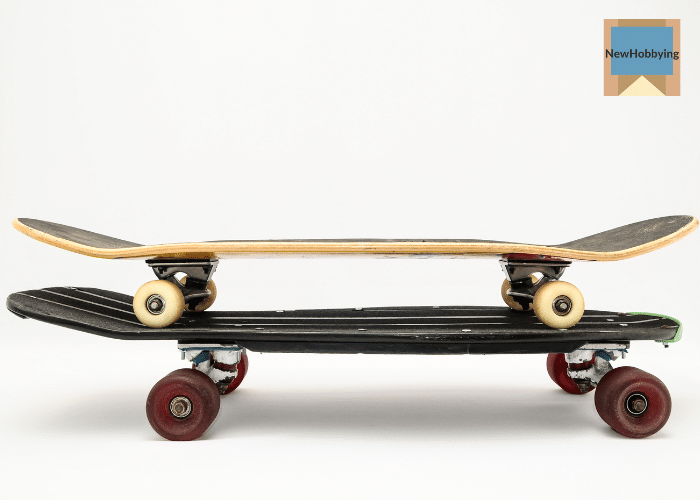
Introduction: How To Start Collecting Skateboards
Skateboarding is a sport that has been around for decades and has a rich history. Skateboards are not just tools for riding, but also works of art that reflect the culture and history of the sport. Many people have started collecting skateboards as a hobby, and it can be a fun and rewarding experience.
If you are interested in starting a skateboard collection, there are a few things to consider. First, you need to decide what type of skateboards you want to collect. There are vintage skateboards from the 1960s, 1970s, and 1980s, as well as modern skateboards that feature unique designs and graphics. You can also collect skateboards from specific brands or riders. Once you have a clear idea of what you want to collect, you can start searching for boards to add to your collection.
Why Start Collecting Skateboards?
Skateboarding is a unique sport that has been around for decades. It is a sport that is all about creativity, expression, and pushing boundaries. Skateboarding is not just about riding a board, it’s about the culture and the community that surrounds it.
Collecting skateboards is a great way to connect with this culture and be a part of the community. Skateboards are not just a piece of wood with wheels, they are a form of art and expression. Each skateboard has its own unique design, graphics, and history. Collecting skateboards allows you to appreciate and preserve this art form.
Collecting skateboards is also a great way to support the industry. Skaters and riders are always looking for new and innovative ways to push the sport forward. By collecting skateboards, you are helping to support the industry and the skaters who work hard to create new and exciting products.
Whether you are into street skating, bowl skating, longboarding, or even snowboarding, there is a skateboard out there for you to collect. Skateboards come in all shapes and sizes, and are designed to be ridden on a variety of terrains. Collecting skateboards allows you to appreciate the diversity of the sport and the different ways in which it can be enjoyed.
Collecting skateboards is a great way to connect with the culture and community of skateboarding. It allows you to appreciate the art and creativity that goes into each board, while also supporting the industry and the skaters who make it all possible.
Getting Started
If you’re interested in starting a skateboard collection, you’ve come to the right place. In this section, we’ll cover everything you need to know to get started, from choosing your first skateboard to storing and displaying your collection.
Choosing Your First Skateboard
If you’re a beginner, choosing your first skateboard can be overwhelming. There are many components to consider, including decks, trucks, wheels, and bearings. When choosing your first skateboard, it’s important to consider your budget, age, and skill level.
For beginners, we recommend starting with a complete skateboard, which includes all the essential components. You can always upgrade individual components later as you gain more experience.
Essential Skateboard Components
Skateboards are made up of several essential components, including decks, trucks, wheels, bearings, grip tape, and hardware. Here’s a breakdown of each component:
- Decks: The skateboard deck is the flat board that you stand on. Decks come in different sizes, shapes, and graphic designs.
- Trucks: Trucks are the metal components that attach the wheels to the deck. They come in different sizes and are made of different materials.
- Wheels: Skateboard wheels come in different sizes, durometers, and shapes. They are made of polyurethane and are attached to the trucks.
- Bearings: Bearings are the small metal components that fit inside the wheels and allow them to spin.
- Grip tape: Grip tape is the rough, sandpaper-like material that covers the top of the deck and provides traction.
- Hardware: Hardware refers to the screws and bolts that attach the trucks to the deck.
Learning to Skateboard
Before you start building your collection, it’s important to learn how to skateboard. Taking lessons or practicing with friends can help you develop your balance, coordination, and confidence on the board. Skateboarding can also be a great workout and a fun way to stay active.
Building Your Collection
Once you’ve chosen your first skateboard and learned the basics, it’s time to start building your collection. You can find skateboards at skate shops, online retailers, or even on eBay. Look for graphic designs that appeal to you and consider collecting boards from notable skateboarders or brands.
Storing and Displaying Your Collection
Storing and displaying your collection can be a challenge, especially if you have limited space. Consider using wall mounts, shelves, or display cases to showcase your boards. It’s also important to protect your collection from damage by keeping it out of direct sunlight and away from moisture.
Insurance and Protection
Skateboarding can be a risky activity, so it’s important to have insurance and protection in case of accidents. Look for insurance policies that cover skateboarding injuries and consider wearing protective gear, such as helmets, knee pads, and elbow pads.
Notable Skateboarders and Brands
There are many notable skateboarders and brands in the industry, each with their own unique style and history. Some popular skateboarders include Tony Hawk, Rodney Mullen, and Nyjah Huston. Popular brands include Element, Baker, and Girl. Consider researching the history and culture of skateboarding to learn more about the sport and its pioneers.
Conclusion
Collecting skateboards can be a rewarding and enjoyable hobby for anyone who loves skateboarding culture. With some basic knowledge and a bit of effort, you can start building your own collection of skateboards that reflects your personal style and interests.
One of the most important things to keep in mind when starting your collection is to be patient. Don’t rush into buying every board you see, take your time to find the ones that really speak to you. Look for unique designs, limited edition boards, and rare finds that will make your collection stand out.
Another key aspect of collecting skateboards is proper storage. Make sure to store your boards in a cool, dry place, away from direct sunlight and moisture. There are a variety of storage options available, from racks and hooks to specialized skateboard storage systems, so find one that works best for your space and budget.
It’s also important to consider the diversity of your collection. While skateboarding has historically been a male-dominated activity, there are many talented female skateboarders and designers who have contributed to the culture. Make an effort to include boards from a range of designers and skaters, including women, to create a more inclusive and diverse collection.
Overall, collecting skateboards can be a fun and fulfilling way to express your love for skateboarding culture. With some patience, proper storage, and a diverse range of boards, you can build a collection that reflects your unique style and interests.
Frequently Asked Questions
Where can I find rare skateboard decks?
Finding rare skateboard decks can be a challenge, but there are a few places to look. Thrift stores, garage sales, and flea markets can sometimes have hidden gems. Online marketplaces like eBay and Craigslist can also be good resources. Skateboard shops and skateboarding events may have limited edition or signed decks available for purchase.
What are some popular skateboard brands to collect?
Some popular skateboard brands to collect include Powell Peralta, Santa Cruz, and Vision. Other brands that have a strong following among collectors include Dogtown, Zephyr, and Alva.
What makes a skateboard deck valuable?
Several factors can contribute to the value of a skateboard deck, including the rarity of the deck, the condition of the deck, and the graphics on the deck. Decks that are no longer in production or that were produced in limited quantities can be particularly valuable. Decks that are in excellent condition and have not been ridden are also highly sought after. Graphics that are iconic or unique can also increase the value of a deck.
How can I authenticate a collectible skateboard deck?
Authenticating a collectible skateboard deck can be difficult, but there are a few things to look for. Look for the manufacturer’s logo and any identifying marks or serial numbers. Research the deck’s graphics and compare them to known examples of the same graphics. Look for signs of wear and tear that are consistent with the deck’s age. If you are unsure about the authenticity of a deck, seek the advice of a reputable collector or dealer.
What are some tips for storing and displaying skateboard decks?
To preserve the value of your collectible skateboard decks, it is important to store them properly. Keep them in a cool, dry place away from direct sunlight. Avoid exposing them to extreme temperatures or humidity. Use acid-free paper or plastic sleeves to protect the graphics and prevent damage from dust and debris. When displaying your decks, use wall mounts or stands that are designed specifically for skateboard decks.
Where can I sell my collectible skateboard decks?
There are several options for selling your collectible skateboard decks. Online marketplaces like eBay and Craigslist can be good places to start. Skateboard shops and skateboarding events may also be interested in purchasing decks. If you have a particularly valuable or rare deck, you may want to consider working with a reputable dealer or auction house that specializes in collectible skateboards.