Introduction: How To Start Collecting Flags
Collecting flags is a popular hobby that has been around for centuries. Flags are not only symbols of national pride and identity, but they also represent historical events and cultural traditions. Starting a flag collection can be a fun and rewarding experience, and it doesn’t have to be expensive or difficult.
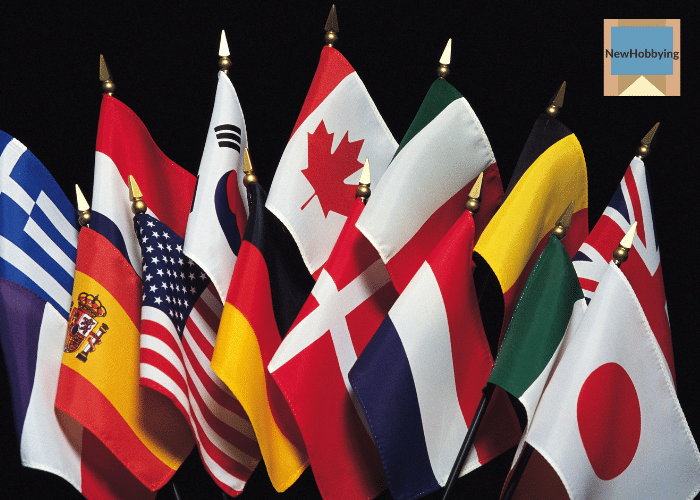
The first step in starting a flag collection is to determine what type of flags you want to collect. You can collect flags from different countries, states, or regions, or you can focus on specific themes, such as sports, military, or historical events. Once you have decided on the type of flags you want to collect, you can start looking for them online, at flea markets, or at antique shops. It’s important to do your research and make sure you are buying authentic flags, as there are many replicas and fakes on the market.
Why Collect Flags?
Flag collecting is a unique and fascinating hobby that has been gaining popularity in recent years. Collecting flags can be a fun and rewarding experience for people of all ages. Here are some reasons why people collect flags:
- Historical Significance: Flags have played a significant role in history, representing nations, organizations, and individuals. Collecting flags can provide insight into the history of a country or a particular event. Flags can also be a symbol of national pride and identity.
- Artistic Value: Flags are not only symbols of nations or organizations, but they are also works of art. Many flags have unique designs and colors that make them visually appealing. Collecting flags can be a way to appreciate the artistry and creativity that goes into designing a flag.
- Educational Purposes: Collecting flags can be a great way to learn about different countries, cultures, and organizations. Flags can provide insight into the history, politics, and social issues of a particular country or organization.
- Social Connections: Collecting flags can be a great way to connect with other people who share the same interest. There are many flag collecting clubs and organizations that provide opportunities to meet other collectors and share knowledge and experiences.
- Personal Interest: Some people collect flags simply because they find them interesting. Flags can represent a personal interest or hobby, such as sports teams, music bands, or political movements.
In conclusion, collecting flags can be a fun and rewarding experience for people of all ages. Flags have historical significance, artistic value, educational purposes, and can help form social connections. Whether you are a history buff or just find flags interesting, collecting flags can be a great hobby to pursue.
Getting Started
If you’re interested in starting a flag collection, there are a few things you should consider before diving in. Here are some tips on how to get started.
Joining Online Communities
One of the best ways to learn about flags and connect with other collectors is by joining online communities. Reddit’s r/vexillology, for example, is a great place to ask questions, share your collection, and learn from others. You can also find Facebook groups and forums dedicated to flag collecting.
When you join these communities, make sure to read the rules and guidelines before posting. Some communities have specific posting requirements, such as including photos or descriptions of your flags. Also, be respectful and courteous to other members.
Researching and Learning about Flags
Before you start buying flags, it’s important to do your research and learn about the different types of flags and their meanings. Some flags are national symbols, while others represent specific regions or organizations. Understanding the history and symbolism behind each flag can make your collection more meaningful.
There are many resources available online to help you learn about flags. Websites like World Flag Database and Flags of the World have extensive collections of flag images and information. You can also find books on flag history and symbolism at your local library or bookstore.
When researching flags, pay attention to the materials and construction. Flags can be made from a variety of materials, such as polyester, nylon, or cotton. Some flags are printed, while others are sewn. Knowing the differences can help you make informed buying decisions.
Logging Your Collection
As you start collecting flags, it’s a good idea to keep track of your collection. You can create a spreadsheet or use a website like Flag Collecting to log your flags and keep track of where and when you acquired them. This can also help you identify any gaps in your collection and set goals for future purchases.
In conclusion, joining online communities, researching and learning about flags, and logging your collection are all important steps to take when starting a flag collection. By following these tips, you can build a meaningful and diverse collection of flags.
Types of Flags to Collect
When starting a flag collection, it’s important to consider what types of flags you want to collect. Here are some categories to consider:
Antique American Flags
Antique American flags are a popular category for collectors. These flags can range from the 13-star Betsy Ross flag to the 48-star flag that was in use from 1912 to 1959. These flags offer a glimpse into the history of the United States and can be a valuable addition to any collection. However, it’s important to note that these flags can be expensive and may require authentication to ensure their authenticity.
Flags with Historical Significance
Flags that have historical significance can be a fascinating addition to any collection. For example, flags that were flown during the Civil War or World War II can offer a glimpse into the past and the events that shaped our world. These flags can also be a valuable investment, but it’s important to do your research and ensure that you are purchasing an authentic piece of history.
Printed Flags
Printed flags are another category to consider when starting a collection. These flags can include everything from state flags to flags with political or cultural significance. Printed flags are often more affordable than antique flags and can be a great way to start building your collection.
When choosing which types of flags to collect, it’s important to consider your budget, interests, and goals for your collection. Whether you are interested in American history or simply want to decorate your home with flags from around the world, there are plenty of options to choose from.
Where to Find Flags
If you’re starting a flag collection, you’ll need to know where to find flags. Here are some options to consider:
Auctions and Estate Sales
Auctions and estate sales can be great places to find unique and rare flags. Keep an eye out for auctions that specialize in historical or patriotic items, as they may have American flags or flags from other countries. Estate sales can also be a good source for vintage flags, especially if the previous owner was a collector.
When attending auctions or estate sales, it’s important to do your research beforehand. Know what you’re looking for and what a fair price is. Be prepared to bid against other collectors who may also be interested in the same flags.
Online Retailers
Online retailers offer a wide selection of flags, including American flags, union flags, and flags with cantons. Some popular online retailers include Amazon, eBay, and Flagline. When shopping online, be sure to read reviews and check the seller’s ratings to ensure you’re getting a quality product.
Another option is to visit the websites of specialty flag retailers, such as NorthStar Flags or Flags Unlimited. These retailers may have a more extensive selection of flags and may offer customization options.
Specialty Stores
Specialty stores that sell patriotic or historical items may also carry flags. Look for stores that specialize in military or government memorabilia, as they may have flags from different branches of the military or from government agencies.
You can also check out stores that specialize in international items, such as World Market or Ten Thousand Villages. These stores may have flags from different countries, including hard-to-find or unique designs.
In conclusion, there are many options for finding flags when starting a collection. Whether you choose to attend auctions, shop online, or visit specialty stores, be sure to do your research and know what you’re looking for. With a little patience and persistence, you can build a collection of flags that you’re proud of.
Caring for Your Collection
When it comes to collecting flags, it is important to take proper care of your collection to ensure its longevity. Here are some tips on how to care for your flags:
- Handling: Always handle your flags with clean hands, and avoid touching the fabric as much as possible. Use cotton gloves when handling delicate or valuable flags.
- Storage: Store your flags in a cool, dry, and dark place to prevent fading and damage. Avoid storing them in direct sunlight or in damp areas. You can use acid-free tissue paper to wrap your flags for added protection.
- Cleaning: Avoid washing your flags, as this can damage the fabric and cause colors to bleed. Instead, use a soft-bristled brush or a vacuum with a brush attachment to gently remove dust and dirt.
- Restoration: If your flag is damaged or in need of restoration, seek out a professional conservator who specializes in textile restoration. Do not attempt to repair or clean your flags yourself, as this can cause irreparable damage.
- Display: When displaying your flags, avoid hanging them in areas with high humidity or temperature fluctuations. Use a sturdy flagpole or display case to prevent damage from wind or handling.
By following these tips, you can ensure that your flag collection remains in excellent condition for years to come. Remember to handle your flags with care, store them properly, and seek professional assistance when necessary.