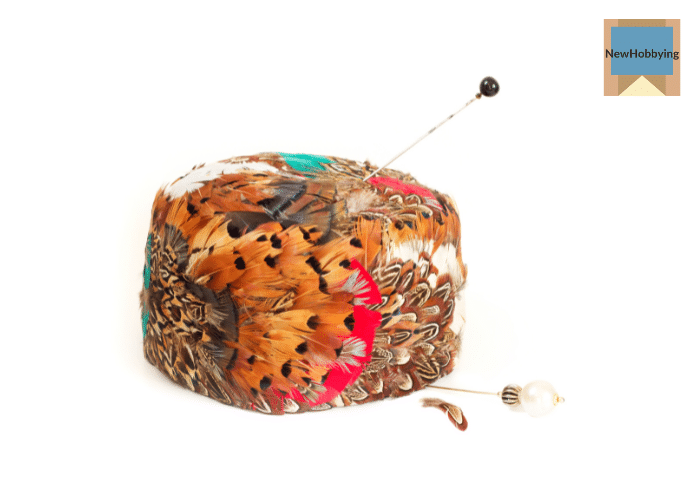
Introduction: How To Start Collecting Hatpins
Hatpins were once a common accessory used to secure women’s hats in place. These decorative pins were often adorned with precious stones, intricate designs, and unique shapes. Today, hatpins are highly sought after by collectors and enthusiasts alike. If you’re interested in starting your own hatpin collection, there are a few things you should know.
First, it’s important to understand the history and significance of hatpins. Not only were they functional accessories, but they also served as a symbol of women’s rights and empowerment. In the early 20th century, hatpins were considered dangerous weapons and were even banned in some cities. Learning about the cultural and historical context of hatpins can add depth and meaning to your collection. Additionally, it’s important to familiarize yourself with the different types of hatpins and their value.
What are Hatpins?
Hatpins are long, slender pins used to secure a hat to a woman’s hair. They were popular from the late 19th century until the 1920s, when the fashion for large, elaborate hats began to wane. Hatpins were typically made of metal, such as brass, silver, or gold, and were often embellished with beads, pearls, or other decorative elements.
The history of hatpins is closely tied to the history of women’s fashion. Prior to the 19th century, women’s hats were typically small and close-fitting, and could be secured with ribbons or small pins. However, as hats grew larger and more elaborate, a more secure method of attachment was needed. The hatpin was born.
Victorian-era hatpins were often quite long, sometimes measuring up to a foot in length. They were designed to hold the hat firmly in place, even in windy conditions. As the Art Nouveau and Art Deco movements gained popularity in the early 20th century, hatpins became more ornate and decorative, featuring intricate designs and gemstones.
Today, hatpins are primarily collected by enthusiasts and collectors. They are valued for their historical significance, as well as their artistic and decorative qualities. Collectors may focus on a particular era, such as the Victorian or Art Deco period, or on a specific type of hatpin, such as those made of silver or featuring cameos.
Overall, hatpins are a fascinating and unique collectible that offer a glimpse into the history of women’s fashion and style.
Why Collect Hatpins?
Hatpins are a unique and fascinating piece of history, and collecting them can be a fun and rewarding hobby. Here are a few reasons why you might want to start collecting hatpins:
Collecting
Collecting hatpins can be a fun and satisfying hobby. Many collectors enjoy the thrill of the hunt, searching for rare or unusual hatpins to add to their collection. Plus, there are many different types of hatpins to collect, from simple and elegant designs to elaborate and ornate pieces.
Popularity
Hatpins were incredibly popular during the late 19th and early 20th centuries, and they remain a beloved and sought-after collectible today. As a collector, you’ll be part of a community of people who share your passion for these unique and beautiful accessories.
History
Hatpins have a rich and fascinating history. They were originally used to secure women’s hats to their hair, but over time they became a popular fashion accessory in their own right. During the suffragette movement, hatpins were even used as a symbol of women’s rights and empowerment. As a collector, you’ll have the opportunity to learn more about this fascinating history and the role that hatpins played in it.
Overall, collecting hatpins can be a fun and rewarding hobby for anyone who appreciates history, fashion, and beauty. Whether you’re a seasoned collector or just starting out, there’s always something new to discover in the world of hatpins.
Different Types of Hatpins
When it comes to collecting hatpins, it’s important to understand the different types available. Hatpins can be made from a variety of materials, come in various designs, and are manufactured in different ways. Here’s a breakdown of the different types of hatpins:
Materials
Hatpins can be made from a range of materials, including copper, glass, stone, bead, amber, gold, silver, brass, rhinestones, celluloid, ivory, tortoise shell, jet, and mother of pearl. Some hatpins are even made from coral. The material used can affect the value of the hatpin, with precious gems and metals being more valuable.
Designs
Hatpins come in a variety of designs, from ornate to simple. Some hatpins are longer than others, with some reaching up to 12 inches in height. Hatpins can also be categorized by their design style, such as Greek, Egyptian, or Oriental. Some hatpins are even designed to resemble nature, with flowers or animals as the focal point.
Manufacturing
Hatpins can be mass produced or handmade. Pin-making machines were invented in the early 1900s, making it easier to produce hatpins in large quantities. However, handmade hatpins are often more valuable due to their uniqueness and the skill required to make them.
Some notable hatpin manufacturers include Louis Tiffany, Barton Jenks, William Codman, R. Blackington and Company, Day and Clark, The Sterling Company, and Tiffany & Co.
Finding Hatpins
Hatpins can be found at antique shops, auctions, and online marketplaces such as eBay and Etsy. When purchasing a hatpin, it’s important to verify its authenticity and avoid fakes. The American Hatpin Society is a great resource for hatpin collectors and can provide information on hatpin styles, as well as tips for finding authentic hatpins.
Hatpin Holders
Hatpins were often stored in hatpin holders, which were designed to hold multiple hatpins at once. Some hatpin holders were attached to bonnet strings, while others were standalone items. Hatpin holders can also be collected and can add to the overall value of a hatpin collection.
In conclusion, understanding the different types of hatpins is essential for any collector. Whether you’re looking for a vintage hatpin or a new addition to your collection, knowing the materials, designs, and manufacturing processes can help you find the perfect hatpin.