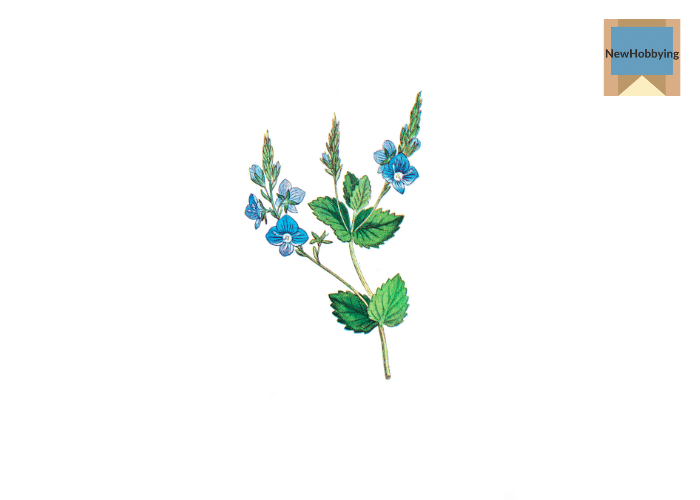
Introduction: How To Start Collecting Botanical Illustrations
Botanical illustrations are beautiful works of art that capture the intricacies and details of plants in a way that photographs cannot. They have been used for centuries to document and study plant life, and have become highly sought after by collectors and enthusiasts alike. If you are interested in starting your own collection of botanical illustrations, there are a few things to consider before you begin.
First, it is important to determine what type of botanical illustrations you want to collect. There are many different styles and mediums to choose from, including watercolors, pen and ink, and lithographs. You may also want to consider the subject matter of the illustrations, such as flowers, leaves, or entire plants. Once you have a clear idea of what you are looking for, you can start your search for pieces that fit your preferences.
Understanding Botanical Illustration
Botanical illustration is a form of art that combines the scientific study of plants with the aesthetic appeal of art. It involves the accurate depiction of plant species, including their form, details, and colors. Botanical illustrations serve as a means of documenting plant species for scientific and educational purposes.
History of Botanical Illustration
Botanical illustration has a rich history that dates back to ancient times. Early botanical illustrations were created by explorers and botanists who documented plant species during their travels. The Bauer brothers, Ferdinand and Franz, were renowned botanical illustrators in the 18th century, known for their detailed and accurate drawings of plants and flowers.
In the 19th century, botanical illustration became more widely recognized as an art form. Artists such as Stella Ross-Craig and Marianne North gained recognition for their botanical illustrations, which were often used to document the flora of different regions of the world.
Botanical Illustration Techniques
Botanical illustration can be created using a variety of techniques, including pencil drawing, watercolor, and scientific illustration. Pencil drawing is a popular technique for beginners, as it allows for precise and detailed drawings of plant species. Watercolor is a popular medium for botanical illustration because it can capture the subtle variations of color in plants.
Scientific illustration involves the use of a microscope to accurately depict the details of plant species. This technique is often used in the study of plant anatomy and morphology.
When creating botanical illustrations, it is important to consider composition and perspective. Botanical artists must also be knowledgeable about the seasons and life cycle of the plant species they are drawing.
Tips for Beginners
If you are new to botanical illustration, there are a few tips that can help you get started. First, it is important to have a good understanding of the plant species you are drawing. Research the plant’s name, habitat, and any medicinal purposes it may have.
Second, use herbarium specimens or photographs as a reference when drawing. This can help ensure accuracy in your illustrations.
Finally, practice regularly in a sketchbook or on loose paper. This will help you develop your skills and gain confidence in your abilities.
Overall, botanical illustration is a fascinating and rewarding art form that combines the beauty of plants with the precision of science. Whether you are a seasoned artist or a beginner, there is always something new to learn and discover in the natural world.
Starting Your Collection
If you’re interested in starting a collection of botanical illustrations, there are a few things you should consider before you begin. Here are some tips to help you get started:
Identifying Your Focus
Before you start collecting, it’s important to identify what you want to focus on. Do you want to collect illustrations of a particular plant species, or are you more interested in the history of botanical illustration? Perhaps you’re drawn to a particular artist or style of illustration. Whatever your focus, it’s important to have a clear idea of what you want to collect before you start.
Choosing Your Collection Method
There are many ways to collect botanical illustrations, from purchasing prints to creating your own drawings. Some collectors prefer to focus on original artwork, while others are happy with reproductions. You may also want to consider collecting illustrations from different time periods or regions. Whatever method you choose, make sure it aligns with your collection focus.
Where to Find Botanical Illustrations
There are many places to find botanical illustrations, both online and offline. Here are a few options to consider:
- Online marketplaces like Etsy and eBay often have a wide selection of botanical prints and illustrations available for purchase.
- Botanical gardens and museums may have exhibitions or gift shops that sell prints and reproductions.
- Antique stores and bookshops may have old botanical books and prints available for purchase.
- You can also find botanical illustrations online through resources like the Biodiversity Heritage Library and the Royal Botanic Gardens.
Remember to always verify the accuracy of the illustrations you are collecting, especially if you plan to use them for identification purposes. Look for details like the scientific name of the plant species and the season in which it was drawn.
By following these tips, you can start building a beautiful and informative collection of botanical illustrations. Whether you’re a beginner or an experienced collector, there’s always more to learn and discover in the world of botanical art.
Caring for Your Collection
As a botanical illustration collector, it is essential to take good care of your collection to ensure its longevity. Proper handling and storage techniques are crucial to preserving the quality and accuracy of the artwork. In this section, we will provide some tips on how to care for your botanical illustration collection.
Handling and Storage Tips
When handling your botanical illustrations, always remember to use clean hands and avoid touching the artwork as much as possible. If you need to touch the artwork, use gloves to protect it from oil and dirt on your hands.
When storing your collection, it is important to keep it away from direct sunlight, heat, and humidity. These factors can cause damage to the paper and cause the colors to fade. It is best to store your collection in a cool, dry place, preferably in a flat file or archival box.
Another important factor to consider when storing your botanical illustrations is the type of paper used. Acid-free, archival quality paper is recommended for long-term storage to prevent yellowing and deterioration.
Preserving Your Botanical Illustrations
Preserving your botanical illustrations is essential to maintaining their quality and accuracy over time. Here are some tips on how to preserve your collection:
- Avoid exposing your collection to light, especially direct sunlight.
- Use acid-free materials when mounting and framing your artwork.
- Avoid using adhesives that can damage the artwork, such as tape or glue.
- Keep your collection in a cool, dry place to prevent mold and mildew growth.
- Consider digitizing your collection to create a backup copy and make it easier to share with others.
By following these handling and storage tips and preserving your botanical illustrations, you can ensure that your collection will last for generations to come.
Frequently Asked Questions
What materials do I need for botanical illustration?
Botanical illustration requires a few basic materials, including high-quality paper, pencils, erasers, and watercolor paints. It’s recommended to invest in high-quality materials to ensure that your illustrations look their best. You may also want to consider purchasing a magnifying glass or microscope to help you see the details of your subject more clearly.
How do I learn botanical illustration?
There are many ways to learn botanical illustration, including taking classes, attending workshops, reading books on the subject, and practicing on your own. It’s important to start with the basics and work your way up to more complex techniques. You can also find online tutorials and videos to help you learn.
What are some beginner tips for botanical illustration?
Some beginner tips for botanical illustration include choosing a subject with simple shapes and lines, practicing your strokes and techniques, and taking the time to observe your subject closely before you begin drawing or painting. It’s also important to be patient and persistent, as botanical illustration takes time and practice to master.
What is the difference between botanical art and botanical illustration?
Botanical art is focused on creating aesthetically pleasing images of plants, while botanical illustration is focused on creating scientifically accurate depictions of plants. Botanical art often involves artistic license, while botanical illustration requires a high degree of accuracy and attention to detail.
Are there online courses for botanical illustration?
Yes, there are many online courses and workshops available for botanical illustration. These courses can be a great way to learn new techniques and get feedback on your work. Some courses may require a fee, while others may be free.
How can I improve my botanical illustration skills?
The best way to improve your botanical illustration skills is to practice regularly and seek feedback from other artists or instructors. You can also try experimenting with different techniques and materials to find what works best for you. It’s important to be patient and persistent, as mastering botanical illustration takes time and dedication.