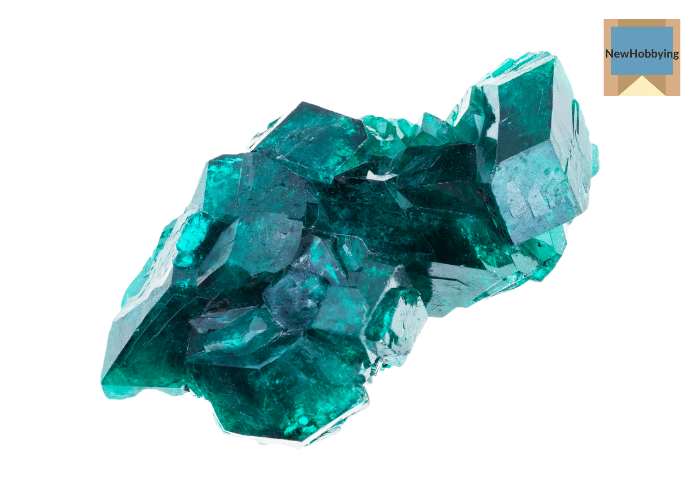
Introduction: How To Start Collecting Crystal and Mineral Specimens
Starting a crystal and mineral collection can be an exciting and rewarding hobby. Whether you’re a seasoned collector or just starting out, there are many ways to begin building your collection. With so many types of specimens to choose from, it can be overwhelming to know where to start.
One of the first things to consider when starting your collection is what type of specimens you are interested in. Are you drawn to the beauty of crystals, or are you more interested in the geological and scientific aspects of mineral specimens? Knowing what you want to collect will help you focus your efforts and make informed decisions about what to add to your collection.
Once you have an idea of what you want to collect, it’s important to do your research. Learning about the different types of specimens, where to find them, and how to identify them can help you make informed decisions about what to add to your collection. It’s also important to consider the ethical and legal aspects of collecting, as some specimens may be protected or require permission to collect. By doing your research and staying informed, you can ensure that your collection is both enjoyable and responsible.
Why Collect Crystal and Mineral Specimens
Collecting crystal and mineral specimens can be a rewarding and educational hobby. There are many reasons why people choose to collect these beautiful and unique objects. Here are a few:
Aesthetic Appeal
One of the most obvious reasons to collect crystal and mineral specimens is their aesthetic appeal. The wide variety of colors, shapes, and sizes make each specimen a unique work of art. Whether you are attracted to the deep blue of a sapphire or the intricate patterns of an agate, there is something for everyone in the world of mineral collecting.
Educational Value
Collecting crystal and mineral specimens can also be an educational experience. By learning about geology, mineralogy, and the properties of different minerals, collectors can gain a deeper understanding of the natural world. Collectors can also learn about the history of mining and the uses of minerals in industry and technology.
Personal Connection
Collecting crystal and mineral specimens can also be a way to build a personal connection with the natural world. By exploring the outdoors, visiting mines and quarries, and field collecting, collectors can develop a deeper appreciation for nature. Many collectors also enjoy the challenge of identifying and cataloging their specimens, which can be a rewarding and satisfying experience.
Investment Potential
Finally, collecting crystal and mineral specimens can be a good investment. While not all specimens will increase in value over time, some rare and unique specimens can be quite valuable. Collectors should do their research and consult with experts before making any significant purchases, but for those who are willing to invest the time and money, mineral collecting can be a lucrative hobby.
In summary, collecting crystal and mineral specimens can be a rewarding and educational hobby with many benefits. Whether you are attracted to the aesthetic appeal, the educational value, the personal connection, or the investment potential, there is something for everyone in the world of mineral collecting.
Getting Started with Crystal and Mineral Collecting
Collecting crystals and mineral specimens can be a fascinating and rewarding hobby. It allows you to connect with nature, explore different geological regions, and learn about the unique properties of each crystal or mineral. Here are some tips to help you get started with your collection:
- Research: Start by researching the different types of crystals and minerals that interest you. Learn about their properties, where they are found, and how to identify them. This will help you make informed decisions when purchasing or collecting specimens.
- Equipment: You will need some basic equipment to collect and store your specimens. A rock hammer, chisel, and safety goggles are essential for breaking open rocks and extracting specimens. You will also need a sturdy backpack to carry your tools and specimens, as well as containers to store and protect your specimens from damage.
- Location: The location where you collect your specimens is crucial. Make sure to obtain permission from the landowner before collecting on private property. National parks and protected areas have strict regulations regarding collecting, so make sure to check the rules before heading out.
- Identification: It is important to be able to identify the specimens you collect accurately. You can use field guides, online resources, or consult with experts to help you identify your specimens. Accurate identification will help you determine the value and rarity of your specimens.
- Storage: Proper storage of your specimens is crucial to ensure their longevity. Store your specimens in a dry, cool, and dark place to prevent damage from moisture, heat, and sunlight. You can use plastic bags, padded boxes, or display cases to store and protect your specimens.
By following these tips, you can start your crystal and mineral collection with confidence and knowledge. Remember to always respect nature and follow ethical collecting practices. Happy collecting!
Choosing Your First Specimens
When starting a crystal and mineral collection, it can be overwhelming to decide which specimens to begin with. Here are a few things to consider when choosing your first specimens:
- Personal preference: Collect what you love! Choose specimens that catch your eye and spark your interest. Whether it’s the color, shape, or rarity of the specimen, make sure it’s something that you enjoy looking at and learning about.
- Affordability: It’s important to start with specimens that fit within your budget. Fortunately, there are many affordable options available, such as quartz, zircon, garnet, and topaz. Opaque gems like turquoise, carnelian, agate, and onyx can also be great choices for those on a budget.
- Quality: While affordability is important, it’s also essential to choose specimens of good quality. Look for specimens that are free of cracks, chips, or other damage. It’s also helpful to research the specific mineral or crystal to understand what qualities to look for in a high-quality specimen.
- Variety: As you start to build your collection, consider adding a variety of specimens. This can include different colors, shapes, and sizes, as well as specimens from different locations around the world. A diverse collection can be both visually appealing and educational.
Remember, starting a crystal and mineral collection is a journey, not a destination. Enjoy the process of learning about and acquiring new specimens, and don’t be afraid to ask for help or advice from experienced collectors.
Where to Find Specimens
When starting a crystal and mineral specimen collection, one of the first questions that comes to mind is where to find specimens. There are several options available for acquiring specimens, including field collecting, private land, and public land.
Field Collecting
Field collecting is an excellent way to find specimens. It involves going out into nature and searching for crystals and minerals. There are many places to go field collecting, including mines, quarries, and natural outcrops. Some popular places to go field collecting include:
- Franklin, New Jersey
- Herkimer, New York
- Bancroft, Ontario
- Mt. Ida, Arkansas
- Colorado Mineral Belt
Before going field collecting, it is important to research the area and obtain any necessary permits. It is also important to bring the right tools, such as a rock hammer, chisels, and safety gear.
Private Land
Private land can also be a great source of specimens. Some landowners allow collectors to search for crystals and minerals on their property. It is important to obtain permission from the landowner before collecting on private land. In some cases, the landowner may charge a fee for collecting.
Public Land
Public land, such as national parks and forests, can also be a source of specimens. However, it is important to research the rules and regulations of the specific area before collecting. Some areas may have restrictions on collecting or require permits.
Places to Buy Specimens
If field collecting or collecting on private or public land is not an option, there are many places to buy specimens. Some options include:
- Mineral and gem shows
- Online retailers
- Mineral dealers
When buying specimens, it is important to do research and buy from reputable dealers. Look for dealers who provide information about the specimen’s origin and any treatments it may have undergone.
How to Identify and Evaluate Specimens
When starting your crystal and mineral specimen collection, it’s important to know how to identify and evaluate the specimens you come across. Here are some tips to help you get started:
Identification
Identifying a crystal or mineral specimen can be done through a variety of methods, including:
- Visual inspection: Look at the specimen’s color, shape, and texture to help identify it.
- Hardness test: Use a hardness scale to determine the specimen’s hardness.
- Streak test: Rub the specimen on a piece of unglazed porcelain to see its streak color.
- Acid test: Use acid to test the specimen’s reaction to different acids.
Evaluation
Once you’ve identified a specimen, you’ll want to evaluate its value. Here are some factors to consider:
- Rarity: Rare specimens are generally more valuable.
- Condition: The specimen’s condition can affect its value. Look for specimens that are free from damage or repairs.
- Size: Larger specimens are generally more valuable.
- Color: Some gemstones, like topaz, are valued for their color. Look for specimens with vibrant colors.
- Hardness: Harder minerals, like carnelian, are generally more valuable.
- Education: Educate yourself on the different types of gemstones and minerals to better evaluate their value.
Dealers
When evaluating the value of a specimen, it’s important to buy from reputable dealers. Look for dealers who have a good reputation and have been in business for a long time. You can also consider attending gem and mineral shows to find specimens and meet dealers in person.
Remember, the value of a specimen is subjective and can vary depending on the buyer and seller. Do your research and trust your instincts when evaluating the value of a crystal or mineral specimen.
Caring for Your Collection
Once you have started collecting crystal and mineral specimens, it is important to take proper care of them to ensure their longevity and to preserve their beauty. Here are some tips on how to care for your collection:
Cleaning
Cleaning your specimens is an important part of caring for them. However, it is important to be careful when cleaning them, as some minerals can be damaged by certain cleaning methods. Here are some general tips for cleaning your specimens:
- Use a soft brush or cloth to gently remove dust and debris from the surface of your specimens.
- If your specimens are particularly dirty, you can use a mild soap and water solution to clean them. Be sure to rinse them thoroughly and dry them completely before storing them.
- Avoid using harsh chemicals or abrasive cleaners on your specimens, as these can damage the surface of the minerals.
Storage
Proper storage is essential for protecting your specimens from damage and deterioration. Here are some tips for storing your collection:
- Store your specimens in a cool, dry place away from direct sunlight, as exposure to heat and light can cause them to fade or deteriorate.
- Use acid-free paper or plastic bags to store your specimens, as these materials will not damage the minerals.
- If you have specimens with delicate or fragile surfaces, you can wrap them in tissue paper before storing them to protect them from scratches and other damage.
Labels
Labeling your specimens is important for keeping track of your collection and for identifying your specimens. Here are some tips for labeling your specimens:
- Use acid-free paper or labels to avoid damage to your specimens.
- Include the name of the mineral, the location where it was found, and the date it was collected on the label.
- If you have multiple specimens of the same mineral, label them with a unique identifier, such as a number or letter, to keep track of them.
Care
Finally, it is important to handle your specimens with care to avoid damage. Here are some tips for caring for your specimens:
- Avoid touching the surface of your specimens with your fingers, as the oils from your skin can damage the minerals.
- Use gloves or a soft cloth when handling your specimens to avoid leaving fingerprints or other marks on them.
- If you need to move your specimens, be sure to support them from the bottom to avoid putting pressure on delicate surfaces.
Displaying Your Collection
Once you’ve started collecting crystals and mineral specimens, you’ll want to display them in a way that showcases their beauty. Here are some tips for displaying your collection:
- Choose a focal point: Decide on a focal point for your display, such as a shelf or a table. This will help you create a cohesive look for your collection.
- Create balance: When arranging your specimens, aim for balance in the overall display. Consider the size, shape, and color of each specimen to create a visually pleasing arrangement.
- Consider the aesthetic: Think about the aesthetic you want to achieve with your display. Do you want a natural, rustic look, or something more modern and sleek? Choose display materials that complement your specimens and the overall aesthetic you’re going for.
- Play with shapes: Experiment with different shapes and sizes of display materials to create interest and variety in your display. For example, you could use a mix of round and square display cases, or arrange your specimens on a variety of different-sized shelves.
- Protect your specimens: To protect your specimens from dust and damage, consider using display cases with lids or glass covers. You can also use clear acrylic risers to elevate your specimens and create a more dynamic display.
Overall, the key to displaying your crystal and mineral specimen collection is to have fun and be creative. With a little bit of thought and experimentation, you can create a display that showcases the beauty and uniqueness of each specimen in your collection.
Expanding Your Collection
Once you have started your crystal and mineral specimen collection, you may want to expand it by acquiring new pieces. Here are some tips on how to do that:
Acquisition
One way to acquire new specimens is to attend mineral and gem shows. These shows provide an opportunity to see and purchase a wide variety of specimens from different vendors. You can also attend rock and mineral club meetings, where members often bring specimens to sell or trade.
Trade
Trading is another way to expand your collection. You can trade with other collectors at shows or club meetings, or you can join online forums or groups where collectors trade specimens. Trading is a great way to acquire new specimens while also getting rid of duplicates or specimens that no longer interest you.
Internet
The internet is a great resource for finding specimens. There are many online stores that specialize in selling crystals and minerals. You can also find specimens on auction sites like eBay. However, be sure to do your research before purchasing online. Look for reputable sellers and read reviews from other buyers.
Catalog
Keeping a catalog of your collection can help you keep track of what you have and what you still need. You can create a simple spreadsheet or use a specialized software program. Cataloging your collection can also help you identify gaps in your collection and prioritize what specimens to acquire next.
Photographs
Taking photographs of your specimens can be helpful when trading or selling. It can also be a useful tool for cataloging your collection. Be sure to take clear, well-lit photos that accurately represent the specimen.
Field Guide
Using a field guide can help you identify specimens in the field. This can be helpful if you enjoy collecting specimens yourself. There are many field guides available, so be sure to choose one that is relevant to your area and interests.
Expanding your collection can be a fun and rewarding experience. By using these tips, you can acquire new specimens while also improving your knowledge and understanding of crystals and minerals.
Conclusion
Starting a collection of crystal and mineral specimens is an exciting and rewarding hobby. By following a few simple steps, you can begin building your own collection and enjoying the beauty and wonder of these natural treasures.
To begin, decide what types of specimens interest you the most. Consider factors such as color, shape, rarity, and personal significance. Once you have a clear idea of what you’re looking for, start researching and exploring different sources for specimens.
One of the best ways to build your collection is by attending gem and mineral shows, where you can browse a wide variety of specimens and connect with other collectors. You can also purchase specimens online from reputable dealers or join a local rock and mineral club to connect with other enthusiasts and learn more about the hobby.
As you start acquiring specimens, be sure to keep track of your collection and organize it in a way that makes sense to you. Consider creating a catalog or spreadsheet to document each specimen’s name, location, and any other important details.
Finally, remember that collecting crystal and mineral specimens is a lifelong journey of discovery and learning. Take the time to appreciate the beauty and complexity of each specimen, and don’t be afraid to ask questions or seek out new information. With patience, curiosity, and a love for these natural wonders, your collection can grow and evolve over time.
Frequently Asked Questions
What tools do I need to start collecting crystals and minerals?
To start collecting crystals and minerals, you will need some basic tools. A good quality rock hammer, chisel, and safety glasses are essential. You may also want to invest in a hand lens, a magnifying glass, and a field guide to help you identify different types of crystals and minerals.
Where can I find good places to collect crystals and minerals?
There are many places to collect crystals and minerals, including mines, quarries, and natural outcroppings. You can also find crystals and minerals at rock and gem shows, as well as at online retailers. Before you start collecting, make sure you have permission to collect at the location you have chosen.
How do I identify different types of crystals and minerals?
Identifying different types of crystals and minerals can be challenging, but there are many resources available to help you. A good field guide will have pictures and descriptions of different minerals and crystals. You can also attend classes or workshops to learn more about mineral identification.
What should I look for when selecting a crystal or mineral specimen?
When selecting a crystal or mineral specimen, look for specimens that are in good condition, have good color and clarity, and are free from damage. You may also want to consider the rarity of the specimen and its value as a collectible.
How do I clean and care for my crystal and mineral specimens?
Cleaning and caring for your crystal and mineral specimens is important to maintain their beauty and value. You can clean them with a soft brush and warm soapy water, but be careful not to scratch or damage the specimen. Store your specimens in a dry, cool place, away from direct sunlight.
Are there any safety precautions I should take when collecting crystals and minerals?
Yes, there are some safety precautions you should take when collecting crystals and minerals. Always wear safety glasses and gloves to protect your eyes and hands. Be aware of your surroundings and watch out for loose rocks or unstable terrain. Make sure you have permission to collect at the location you have chosen and follow any rules or regulations that may be in place.