
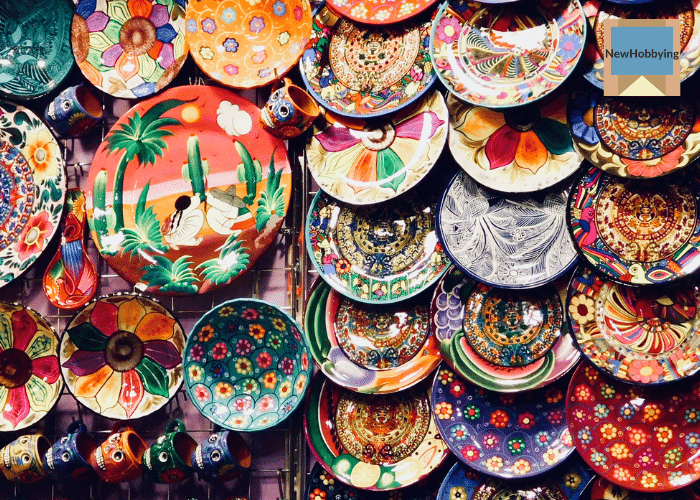
Introduction: How To Start Collecting Decorative Plates
Decorative plates have become increasingly popular collectibles, cherished for their beauty, historical significance, and ability to add a touch of elegance to any home decor. If you’re interested in embarking on a journey to start your own collection of decorative plates, this article will guide you through the process step by step.
Introduction
Decorative plates, also known as collector plates, are ornamental plates featuring intricate designs and artistic motifs. They are often made of fine china or porcelain and are created to commemorate special occasions, depict historical events, or showcase the beauty of nature. The allure of collecting decorative plates lies in their aesthetic appeal and the stories they tell.
Choosing a Theme
One of the first decisions you’ll need to make when starting your collection is choosing a theme. Selecting a theme adds cohesiveness and direction to your collection, making it more meaningful and visually appealing. There are various popular themes to consider for your decorative plates, including nature-inspired themes, historical themes, and cultural or artistic themes.
Nature-inspired themes encompass plates adorned with intricate floral patterns, landscapes, animals, or birds. These plates bring the beauty of the outdoors into your home and often showcase the craftsmanship of renowned artists. Historical themes focus on commemorating significant events or milestones, such as the signing of the Declaration of Independence or the moon landing. Cultural and artistic themes include plates that reflect specific cultures, art movements, or famous paintings.
Researching and Sourcing Decorative Plates
Once you have decided on a theme, it’s time to start researching and sourcing decorative plates for your collection. Local antique stores and flea markets are excellent places to find unique and rare plates. These establishments often have a wide selection of plates from different eras, allowing you to explore various styles and designs. Additionally, online platforms dedicated to decorative plate collectors offer an extensive range of options to choose from. Websites and online auctions enable you to browse and purchase plates from the comfort of your own home.
To expand your collection and connect with other collectors, consider networking within the decorative plate community. Attend collector conventions, exhibitions, and local events to meet like-minded individuals and discover new sources for plates. Building relationships with other collectors can also provide valuable insights and opportunities for trading or acquiring rare pieces.
Evaluating the Condition and Authenticity of Plates
When acquiring decorative plates, it’s essential to carefully evaluate their condition and authenticity. Examine each plate for any cracks, chips, or damage that may affect its value or visual appeal. Authenticity is also crucial, especially when collecting plates from specific periods or renowned artists. Educate yourself on the distinguishing characteristics of genuine plates and seek expert opinions or professional appraisals to ensure the authenticity and value of your acquisitions.
Displaying and Preserving Decorative Plates
Once you have acquired a few plates for your collection, it’s time to showcase them in a way that accentuates their beauty and preserves their condition. Choosing appropriate display options depends on personal preferences and the available space in your home. Consider displaying plates on walls using plate hangers or arranging them on decorative shelves or plate stands.
To protect your plates from dust, sunlight, and potential damage, take precautions such as using glass display cases or covering them with clear, acid-free sleeves. Regularly dust your plates with a soft, lint-free cloth to maintain their shine and cleanliness. By properly displaying and preserving your decorative plates, you can enjoy their beauty for years to come.
Building a Collection
Starting a collection of decorative plates doesn’t mean acquiring an extensive assortment all at once. Begin with a few plates that resonate with your chosen theme and gradually expand your collection over time. Set a budget that suits your financial capabilities and allows for future acquisitions.
Auctions and estate sales are excellent opportunities to find unique and valuable plates. Attend local auctions or explore online auction platforms where collectors often sell their collections. Remember to do thorough research beforehand to ensure you understand the value and rarity of the plates you’re interested in bidding on.
Connecting with the Decorative Plate Community
Collecting decorative plates can be a rewarding and social experience. Join online forums and social media groups dedicated to decorative plate collectors to connect with enthusiasts from around the world. These platforms offer valuable insights, resources, and opportunities to discuss your collection, share knowledge, and discover new plates.
Consider attending collector conventions, exhibitions, and events dedicated to decorative plates. These gatherings provide opportunities to meet fellow collectors, attend informative seminars or workshops, and even trade or purchase plates directly. Collaborating with other collectors can enhance your knowledge, expand your network, and potentially lead to exciting new additions to your collection.
Understanding the Value of Decorative Plates
The value of decorative plates can vary based on several factors, including rarity, artistic merit, historical significance, and demand among collectors. Limited editions and plates from renowned artists or reputable manufacturers tend to hold higher value. Keep an eye out for plates that are part of limited production runs or those that have been retired, as they often appreciate in value over time.
It’s important to note that while collecting decorative plates can be a source of personal enjoyment and aesthetic appreciation, they may not always guarantee substantial financial returns. Collect plates primarily for their beauty and historical significance, and any potential appreciation in value should be seen as a bonus.
Appreciating the Beauty and History of Decorative Plates
Beyond their value as collectibles, decorative plates offer a unique blend of artistic expression and historical storytelling. Take the time to appreciate the intricate details, craftsmanship, and artistry displayed on each plate. Research the historical context or narrative behind each piece, allowing you to dive deeper into the significance and beauty they hold.
Decorative plates can also serve as fantastic conversation starters when guests visit your home. Displaying them in prominent areas and sharing their stories can ignite engaging discussions and foster a deeper appreciation for art, history, and culture.
Conclusion
Starting a collection of decorative plates is a delightful journey that allows you to express your personal style and appreciation for artistry. By choosing a theme, researching and sourcing plates, evaluating their condition and authenticity, and displaying them with care, you can build a collection that brings joy and adds a touch of elegance to your living space.
Remember to connect with the decorative plate community, attend events, and collaborate with fellow collectors to enhance your knowledge and expand your collection. Appreciate the beauty and historical significance of each plate you acquire, understanding that their value goes beyond financial worth. Happy collecting!
FAQs
1. Are decorative plates a good investment?
While decorative plates can appreciate in value, it’s important to approach collecting primarily for personal enjoyment rather than as a financial investment. The value of plates can fluctuate depending on various factors, and it’s difficult to predict long-term financial returns.
2. How do I clean my decorative plates?
To clean decorative plates, use a soft, lint-free cloth to gently remove dust. Avoid using harsh chemicals or abrasive materials that can damage the plates’ surfaces. If needed, you can lightly dampen the cloth with water or a mild cleaning solution specifically designed for delicate surfaces.
3. Can I hang decorative plates on the wall?
Yes, you can hang decorative plates on the wall using plate hangers or adhesive plate hooks. Ensure that the hangers are securely attached to the back of the plates, and use appropriate hooks or nails to hang them on the wall. Make sure the display is secure and consider the weight of the plates to prevent accidents.
4. How can I determine the authenticity of a decorative plate?
Authenticity can be determined by examining various factors, such as the manufacturer’s markings or signatures, the quality of the craftsmanship, and the plate’s historical context. Researching the plate’s origin, consulting experts or appraisers, and comparing it to known authentic pieces can help verify its authenticity.
5. Can I sell my decorative plates?
Yes, you can sell your decorative plates if you wish to part with them. Online platforms, antique stores, auctions, and collector conventions are common avenues for selling plates. Ensure that you accurately describe the condition, authenticity, and provenance of the plates to attract potential buyers and obtain a fair price.
