Introduction: How To Start Collecting Meteorites
Meteorites have fascinated humans for centuries. These chunks of space rocks that have fallen to Earth are not only rare and valuable but also offer a glimpse into the universe’s history. Collecting meteorites is a rewarding hobby that can be pursued by anyone interested in science, astronomy, or geology. In this article, we will explore how to start collecting meteorites, from identifying the different types of meteorites to budgeting for your collection.
Why collect meteorites? For many collectors, meteorites are a way to connect with the universe and learn about its origins. Each meteorite has a unique story to tell, from its composition and age to the location where it was found. Collecting meteorites can also be a profitable investment, as some rare specimens can fetch thousands of dollars at auctions. However, it’s important to note that not all meteorites are valuable, and collecting them should be primarily driven by curiosity and interest in science.
Key Takeaways
- Collecting meteorites is a rewarding hobby that offers a glimpse into the universe’s history and can be pursued by anyone interested in science, astronomy, or geology.
- Meteorites can be collected for their unique stories and as a way to connect with the universe, but not all meteorites are valuable.
- Budgeting for your collection and identifying the different types of meteorites are crucial steps in starting a meteorite collection.
Why Collect Meteorites?
Meteorites are rocks from space that have survived the journey through the atmosphere to make it to Earth’s surface. They are fascinating objects that can provide insight into the formation of the solar system and the universe. But why collect them?
Firstly, meteorites are unique specimens that are not found on Earth. They offer a glimpse into the wider universe and can provide information about the composition of other planets and asteroids. Meteorites can contain minerals that are not found on Earth, such as diamonds and gold, making them valuable for scientific research and collectors alike.
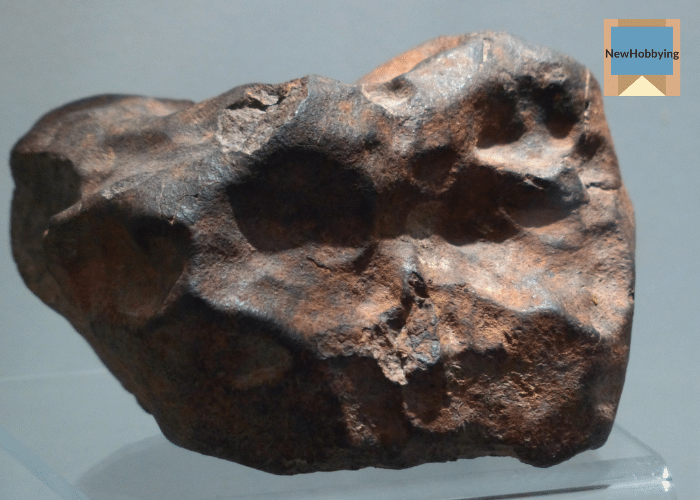
Furthermore, meteorites have a fusion crust that forms as they enter the Earth’s atmosphere, which can provide clues about the conditions they experienced during their journey. The regmaglypts, or thumbprint-like impressions, found on some meteorites can also offer insight into their formation and history.
Collecting meteorites can also be a fun and educational pursuit. Meteorites come in a variety of shapes and sizes, from small stones to large irregularly shaped specimens. They can be found all over the world, including in Antarctica and the Gold Basin region of Arizona.
Finally, meteorites have played a significant role in the history of science. The study of meteoritics, or the science of meteorites, has helped us understand the formation of the solar system and the processes that shape our universe. Famous meteorite falls, such as the L’Aigle meteorite in France in 1803, have even helped shape our understanding of the universe and our place in it.
In conclusion, collecting meteorites can be a rewarding and educational pursuit that offers a unique glimpse into the wider universe. Whether you are a collector, scientist, or simply curious about the world around you, meteorites are fascinating objects that can provide insights into the history and formation of our solar system and the universe.
How to Start Collecting Meteorites
If you’re interested in starting a meteorite collection, there are a few things you need to know. Here’s a guide on how to get started:
Research and Preparation
Before you start hunting for meteorites, it’s important to do your research and prepare yourself. Learn about different types of meteorites, their classifications, and where they can be found. You can find this information online, in books, or by talking to experts in the field.
It’s also important to have the right tools for the job. A magnet and a metal detector can be helpful in finding meteorites. Make sure you have the necessary permits and permissions if you plan on hunting on public or private land.
Hunting for Meteorites
Once you’ve done your research and have the necessary tools, it’s time to start hunting for meteorites. Look for areas where meteorites are likely to be found, such as impact craters or areas with high concentrations of iron.
Be patient and persistent. Hunting for meteorites can be a long and sometimes frustrating process, but the rewards can be worth it.
Buying and Selling Meteorites
If you don’t want to hunt for meteorites yourself, you can buy them from collectors or dealers. Be careful when buying meteorites online, as there are many fakes and scams out there. Make sure you’re buying from a reputable source.
If you want to sell meteorites, be prepared to provide documentation and proof of authenticity. There are many collectors and institutions that are interested in purchasing meteorites, so it can be a lucrative business.
Building Your Collection
As you start to collect meteorites, it’s important to keep track of your collection. Create a catalog with information about each meteorite, such as where it was found, its classification, and any other relevant details.
Try to build a diverse collection that includes different types of meteorites from different locations. This will make your collection more interesting and valuable.
Storing and Displaying Your Collection
Finally, it’s important to store and display your collection properly. Keep your meteorites in a dry, cool place to prevent rust and other damage. Display them in a way that showcases their unique features and beauty.
Overall, collecting meteorites can be a fascinating and rewarding hobby. With the right tools, knowledge, and preparation, anyone can start their own collection.
Budgeting for Your Collection
When starting a meteorite collection, it’s important to establish a budget that works for you. Meteorites can range in price from a few dollars to thousands of dollars, so it’s important to determine how much you’re willing to spend before making any purchases.
One approach to budgeting is to set a monthly or yearly amount that you’re comfortable spending on your collection. This can help you avoid overspending and ensure that you’re able to continue adding to your collection over time.
Another approach is to prioritize your purchases based on the rarity and value of the meteorite. You may want to focus on acquiring more common meteorites at first, and then gradually work your way up to more rare and valuable specimens as your budget allows.
It’s also important to consider the additional costs associated with collecting meteorites, such as storage and display cases. These costs can add up over time, so it’s important to factor them into your budget as well.
When purchasing meteorites, it’s important to be cautious of deals that seem too good to be true. Fake meteorites and mislabeled specimens are common in the market, so it’s important to purchase from reputable dealers and do your research before making any purchases.
By establishing a budget and being mindful of additional costs, you can start building a meteorite collection that fits your interests and financial situation.
Conclusion
In conclusion, starting a meteorite collection can be a fun and rewarding hobby. With the information provided in this guide, you should now have a good understanding of the basics of meteorite collecting, including the different types of meteorites and how to identify them, as well as some tips for finding and handling meteorites.
Remember that meteorites are rare and valuable, so it is important to always be respectful of the land and property you are searching on. Always obtain permission from landowners before searching, and follow all local laws and regulations.
When it comes to purchasing meteorites, be sure to do your research and only buy from reputable dealers. Look for sellers who provide detailed information about the meteorite’s provenance and classification, and who are willing to answer any questions you may have.
Finally, have fun with your collection! Whether you are a seasoned collector or just starting out, there is always more to learn about these fascinating objects from outer space.
Frequently Asked Questions
Where can meteorites be found?
Meteorites can be found all over the world, but are most commonly found in deserts, where they stand out against the sandy terrain. They can also be found in areas with little vegetation, such as fields or open plains.
What are some methods for finding meteorites?
One method for finding meteorites is to use a metal detector, as many meteorites contain iron. Another method is to visually scan the ground for any unusual rocks that may look different from the surrounding terrain.
How can you identify a meteorite?
Meteorites are often dark in color and may have a rough, pitted surface. They are also often magnetic and may contain small, metallic flecks. If you suspect you have found a meteorite, it is best to have it examined by a professional to confirm its authenticity.
What is the value of a 1 pound meteorite?
The value of a meteorite depends on a variety of factors, including its size, rarity, and condition. A 1 pound meteorite could be worth anywhere from a few hundred dollars to several thousand dollars, depending on these factors.
Is it legal to keep a meteorite you find?
In most cases, it is legal to keep a meteorite you find on public land. However, if the land is privately owned, you will need to obtain permission from the owner before taking the meteorite.
Are small meteorites valuable?
Small meteorites can be valuable, especially if they are rare or come from a well-known meteorite fall. However, their value is generally lower than that of larger meteorites.