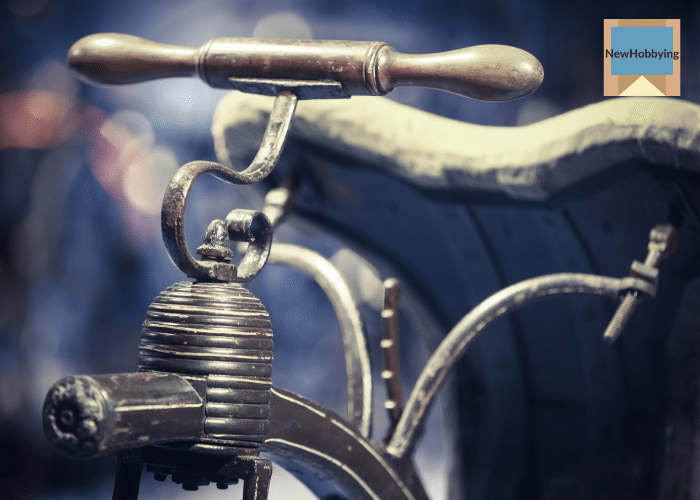
Introduction: How To Start Collecting Vintage Bicycles
If you’re looking for a new hobby that’s both fun and rewarding, collecting vintage bicycles might be just the thing for you. Whether you’re interested in the history of cycling, the engineering behind these classic machines, or simply enjoy the thrill of the hunt, there are plenty of reasons to start your own collection.
But where do you begin? With so many different types of bicycles out there, it can be overwhelming to know where to start. In this article, we’ll provide some tips and tricks for beginners on how to start collecting vintage bicycles. From choosing your focus to finding the right resources, we’ll cover everything you need to know to get started on your new hobby.
Why Collect Vintage Bicycles?
There are many reasons why people collect vintage bicycles. Here are a few:
Nostalgia
For many people, vintage bicycles evoke memories of a simpler time. They may remind collectors of their childhood, or of a particular era in history. Riding a vintage bicycle can be a way to connect with the past and experience a sense of nostalgia.
History and Heritage
Vintage bicycles are not just relics of the past—they are also important artifacts that tell the story of how bicycles have evolved over time. Collectors appreciate the craftsmanship and design of vintage bicycles, as well as the historical context in which they were created. Many vintage bicycles were made by hand, using techniques that are no longer used today. Collecting vintage bicycles can be a way to preserve this history and heritage for future generations.
Value
Vintage bicycles can be valuable, especially if they are rare or in good condition. Some collectors buy vintage bicycles as an investment, hoping that their value will increase over time. However, it is important to note that not all vintage bicycles are valuable, and that the value of a bicycle depends on many factors, including its condition, rarity, and historical significance.
In conclusion, there are many reasons why people collect vintage bicycles, including nostalgia, history, heritage, and value. Whether you are a seasoned collector or just starting out, collecting vintage bicycles can be a rewarding and enjoyable hobby.
Getting Started
If you’re interested in collecting vintage bicycles, there are a few things you should consider before diving in. Here are some tips to help you get started.
Determining Your Budget
Before you start collecting, it’s important to determine your budget. Vintage bicycles can range in price from a few hundred dollars to tens of thousands of dollars. Decide how much you’re willing to spend and stick to it. Keep in mind that you’ll also need to budget for any necessary repairs or restorations.
Choosing a Focus
There are many different types of vintage bicycles to collect, so it’s important to choose a focus. Some collectors focus on a particular brand or era, while others collect bicycles with unique features or designs. Choose a focus that interests you and start researching the bicycles that fit within that category.
Joining a Club
Joining a vintage bicycle club can be a great way to learn more about collecting and connect with other collectors. Clubs often hold events and rides, which can be a fun way to show off your collection and meet other enthusiasts. Look for a club in your area or consider starting one if there isn’t already one established.
Remember, collecting vintage bicycles is a gradual process. Don’t feel like you need to build your collection overnight. Start small and gradually add to your collection as you become more knowledgeable and experienced. With patience and dedication, collecting vintage bicycles can be a rewarding hobby for beginners and seasoned collectors alike.
Researching and Identifying Vintage Bicycles
If you’re planning to start collecting vintage bicycles, it’s important to know how to research and identify them. Here are some tips to help you get started:
Identifying the Manufacturer
One of the first things you’ll need to do is identify the manufacturer of the bicycle. This can be done by looking for a logo or nameplate on the frame, fork, or other parts of the bike. Some popular vintage bicycle manufacturers include Schwinn, Raleigh, and Peugeot.
Determining Age and Condition
Once you’ve identified the manufacturer, you’ll need to determine the age and condition of the bicycle. This can be done by looking for serial numbers, which can be found on the frame or other parts of the bike. You can then use online resources to look up the serial number and determine the year and model of the bike.
In addition to determining the age of the bike, you’ll also need to assess its condition. Look for any signs of wear and tear, such as rust, dents, or scratches. You’ll also want to check the tires, brakes, and other components to make sure they’re in good working order.
Identifying Parts and Accessories
Finally, you’ll need to identify the parts and accessories that are on the bike. This can include everything from the saddle and handlebars to the pedals and chain. Look for any markings or logos on these parts to help you determine their manufacturer and age.
By researching and identifying vintage bicycles, you can build a collection of unique and valuable bikes. With a little bit of knowledge and some patience, you can become an expert in the world of vintage cycling.
Finding Vintage Bicycles
If you’re looking to start collecting vintage bicycles, the first step is finding them. Here are some ways to track down these treasures:
Auction Houses
One of the best places to find vintage bicycles is at auction houses. Many auction houses specialize in bicycles and have experts who can help you find the right one for your collection. Some of the most well-known auction houses that specialize in vintage bicycles include:
| Auction House | Location | Specialties |
|---|---|---|
| Copake Auction | New York | Antique and vintage bicycles |
| Bonhams | Worldwide | Antique and vintage bicycles, racing bicycles |
| H&H Classics | UK | Vintage and classic bicycles |
Estate Sales
Estate sales can also be a good place to find vintage bicycles. When someone passes away, their belongings are often sold off to the highest bidder. You can find estate sales in your local newspaper or by searching online. Here are some websites that can help you find estate sales:
- EstateSales.net
- EstateSales.org
- EstateSales.com
Swap Meets
Swap meets are another great place to find vintage bicycles. These events are usually held on weekends and bring together collectors and enthusiasts from all over. You can find vintage bicycles, parts, and accessories at these events. Here are some of the largest swap meets in the US:
| Swap Meet | Location | Dates |
|---|---|---|
| Copake Bicycle Swap Meet | New York | April |
| Ann Arbor Bicycle Show and Swap Meet | Michigan | April |
| Portland Swap Meet | Oregon | April |
| Copake Bicycle Swap Meet | New York | August |
| Chicagoland Bicycle Show and Swap Meet | Illinois | October |
Remember that when you’re looking for vintage bicycles, you should always do your research and make sure you’re getting a fair price. Be patient and persistent, and you’ll eventually find the perfect addition to your collection.
Restoring Vintage Bicycles
Restoring vintage bicycles is a rewarding hobby that can bring new life to old bikes. With a little bit of knowledge and some elbow grease, you can turn a rusty old frame into a beautiful, functional bicycle. In this section, we’ll cover the basics of restoring vintage bicycles, including restoring frames and tires, restoring parts and accessories, and the pros and cons of expert restoration versus DIY.
Restoring Frames and Tires
The first step in restoring a vintage bicycle is to clean and inspect the frame and tires. Use a mild soap and water to clean the frame, and be sure to remove any rust or corrosion. If the tires are dry and cracked, they may need to be replaced. If the tires are in good condition, you can clean them with a tire cleaner and a soft brush.
Once the frame and tires are clean, you can start to restore them. If the frame needs to be repainted, you can sand it down and apply a new coat of paint. You can also replace any missing or damaged decals. If the tires need to be replaced, you can find new ones that match the size and style of the original tires.
Restoring Parts and Accessories
In addition to the frame and tires, vintage bicycles often have a variety of parts and accessories that may need to be restored. This can include the handlebars, pedals, brakes, and gears. If the parts are in good condition, you can clean and polish them to bring back their shine. If the parts are damaged or missing, you may need to replace them.
When restoring parts and accessories, it’s important to use the right tools and techniques. For example, you may need to use a special tool to remove the pedals or handlebars. You may also need to lubricate the gears and brakes to ensure they work smoothly.
Expert Restoration vs. DIY
When it comes to restoring vintage bicycles, you have two options: expert restoration or DIY. Expert restoration involves hiring a professional to restore your bike for you. This can be a good option if you don’t have the skills or time to do the restoration yourself. However, it can also be expensive.
DIY restoration involves doing the restoration yourself. This can be a fun and rewarding project, but it can also be time-consuming and challenging. If you decide to do the restoration yourself, be sure to do your research and use the right tools and techniques.
In conclusion, restoring vintage bicycles can be a fun and rewarding hobby. With a little bit of knowledge and some elbow grease, you can turn an old, rusty bike into a beautiful, functional bicycle. Whether you choose to do the restoration yourself or hire an expert, be sure to take your time and do it right.
Selling Vintage Bicycles
If you’re a vintage bicycle collector, you might find yourself wanting to sell some of your bikes eventually. Here are some tips to help you get the most out of your sale.
Determining Value
Before you sell your vintage bicycle, you need to determine its value. There are several factors that can affect the value of a vintage bike, including:
- Brand and model
- Age and condition
- Rarity and demand
- Originality and authenticity
To get an accurate idea of your bike’s value, you can use online resources like Bicycle Blue Book or consult with a professional appraiser. It’s important to set a realistic price based on the market value and condition of your bike.
Finding Buyers
Once you know the value of your vintage bicycle, you need to find potential buyers. Here are some places to look:
- Online marketplaces like eBay, Craigslist, or Facebook Marketplace
- Vintage bicycle forums and communities
- Local bicycle shops or collectors
- Auction houses or consignment shops
When you list your bike for sale, make sure to include detailed photos and a thorough description of its condition and history. Be honest about any flaws or repairs that have been made. You may also want to consider offering shipping or delivery options to expand your potential buyer pool.
Overall, selling a vintage bicycle can be a rewarding experience if done correctly. By determining the value of your bike and finding the right buyers, you can ensure a fair and successful sale.
Collecting Modern Bikes
If you’re interested in collecting vintage bicycles, you may also want to consider collecting modern bikes. While they may not have the same historical significance as vintage bikes, modern bikes have their own unique features and technologies that make them worth collecting.
Road Bikes
Road bikes are designed for speed and efficiency on paved roads. They typically have narrow tires, drop handlebars, and lightweight frames. Modern road bikes have come a long way since the early days of cycling, with advancements in materials, aerodynamics, and electronic shifting systems. Some popular brands for modern road bikes include Trek, Specialized, and Giant.
If you’re interested in collecting modern road bikes, consider focusing on a particular brand or model. Look for limited edition bikes or bikes with unique features that make them stand out from the rest.
Mountain Bikes
Mountain bikes are designed for off-road terrain, with wider tires, suspension systems, and more durable frames. They’re a popular choice for outdoor enthusiasts who enjoy trail riding and mountain biking. Modern mountain bikes have evolved to include full suspension systems, carbon fiber frames, and electronic shifting systems.
If you’re interested in collecting modern mountain bikes, consider looking for bikes with unique suspension systems or limited edition models. Some popular brands for modern mountain bikes include Santa Cruz, Yeti, and Pivot.
Cruisers
Cruiser bikes are designed for leisurely rides on flat terrain. They typically have wide tires, upright handlebars, and comfortable seats. Modern cruiser bikes come in a variety of styles, from classic beach cruisers to retro-inspired designs.
If you’re interested in collecting modern cruiser bikes, consider looking for bikes with unique designs or limited edition models. Some popular brands for modern cruiser bikes include Electra, Schwinn, and Felt.
In conclusion, collecting modern bikes can be just as rewarding as collecting vintage bikes. Whether you’re interested in road bikes, mountain bikes, or cruisers, there are plenty of options to choose from. Consider focusing on a particular brand or model, and look for bikes with unique features or limited edition models.
Conclusion
In conclusion, collecting vintage bicycles can be a fun and rewarding hobby. Whether you are interested in the history, heritage, or artistic designs of vintage bicycles, there are many different types and styles to choose from.
When starting your collection, it is important to choose your focus and narrow down your interests. This will help you as you start to build your collection and ensure that you are collecting items that you are truly passionate about.
Additionally, it is important to do your research and educate yourself on the different types and styles of vintage bicycles. This will help you to identify valuable and rare items, as well as avoid scams or overpaying for items.
Overall, collecting vintage bicycles can be a great way to connect with history, express your personal style, and enjoy the thrill of the hunt. So why not start your collection today and see where it takes you?
Frequently Asked Questions
Where can I find antique bicycles for sale?
There are many places where you can find antique bicycles for sale. Some of the most popular options include online marketplaces like eBay and Craigslist, vintage bicycle shops, antique stores, and flea markets. You can also attend vintage bicycle shows and auctions to find unique and rare pieces.
What are the most valuable vintage bicycles?
The value of a vintage bicycle depends on several factors, including desirability, completeness, and condition. However, some of the most valuable vintage bicycles include primitive hobby horses, giant high wheel bicycles, penny-farthings from the 1880s, and safety bicycles from the 1890s.
What should I look for when buying a vintage bicycle?
When buying a vintage bicycle, it’s important to look for signs of wear and tear, rust, and damage. You should also check the authenticity of the bicycle and ensure that all the parts are original. It’s also a good idea to test ride the bicycle before making a purchase.
How do I determine the age of a vintage bicycle?
Determining the age of a vintage bicycle can be tricky, but there are a few things you can look for. For example, the serial number can often give you an indication of the age, as can the style of the bicycle and the materials used to make it.
Who can appraise the value of my vintage bicycle?
There are several options when it comes to appraising the value of your vintage bicycle. You can consult with a vintage bicycle expert or appraiser, or you can use online resources like vintage bicycle price guides.
What are some reputable vintage bicycle websites?
There are many reputable vintage bicycle websites that you can use to research and purchase vintage bicycles. Some of the most popular options include The Classic and Antique Bicycle Exchange, The Wheelmen, and Dave’s Vintage Bicycles.