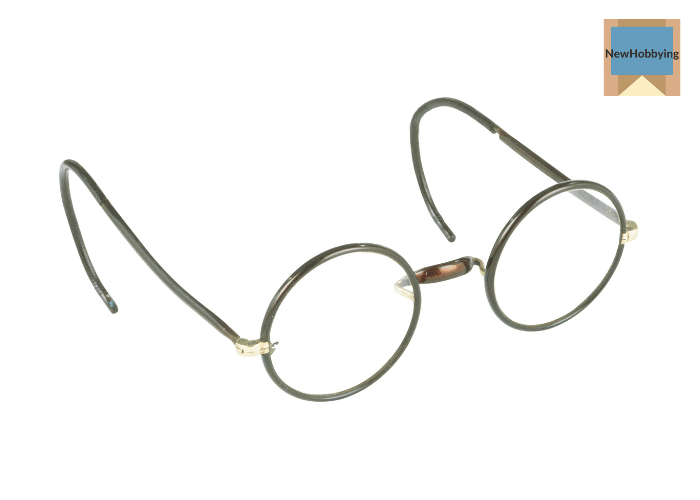
Introduction: How To Start Collecting Vintage Eyewear
Vintage eyewear is a unique and timeless accessory that has been in fashion for decades. It is not only functional but can also be a statement piece that adds a touch of personality to any outfit. Collecting vintage eyewear is a hobby enjoyed by many, and it is not difficult to get started.
To begin collecting vintage eyewear, the first step is to identify what style or era you are interested in. There are many different types of vintage eyewear, ranging from the 1920s to the 1990s, each with its own unique style. Once you have a clear idea of what you want to collect, you can start looking for pieces to add to your collection. It is essential to do your research and learn about the history and characteristics of the era or style you are interested in, as this will help you identify genuine vintage pieces.
Why Collect Vintage Eyewear?
Vintage eyewear has become a popular collectible item among fashion enthusiasts and history buffs alike. Here are some reasons why you might want to consider starting a collection of your own:
- Joy: Collecting vintage eyewear can bring joy and satisfaction to your life. Owning a piece of history and being able to appreciate its craftsmanship and design can be a fulfilling experience.
- Personality: Vintage eyewear can add a unique touch to your personal style. It allows you to stand out from the crowd and express your individuality. Each piece has its own story and character, making it a great conversation starter.
- Quality: Vintage eyewear is often made with higher quality materials and craftsmanship than modern eyewear. It can be a great investment, as some pieces may appreciate in value over time.
- Variety: Vintage eyewear comes in a wide variety of styles, shapes, and materials. From cat-eye frames to aviators, there is something for everyone. You can choose to focus on a specific era or style, or collect a diverse range of pieces.
- History: Vintage eyewear offers a glimpse into the past, allowing you to learn about fashion trends, technological advancements, and cultural influences from different time periods. It can be a fascinating way to explore history and gain a deeper understanding of the world around us.
Collecting vintage eyewear can be a fun and rewarding hobby. Whether you are interested in fashion, history, or simply enjoy the thrill of the hunt, there are many reasons to start a collection of your own.
Researching Vintage Eyewear
When starting a collection of vintage eyewear, it’s important to research and gain knowledge about the materials and manufacturers of the eyewear. This will help you identify and authenticate pieces, as well as understand the value of the eyewear. Here are some key areas to research:
Materials
Vintage eyewear can be made from a variety of materials, including:
- Celluloid
- Bakelite
- Metal
- Tortoiseshell
- Horn
It’s important to understand the characteristics of each material and how it affects the value and authenticity of the eyewear. For example, celluloid was commonly used in the early 1900s but is highly flammable, so it’s important to be cautious when handling it. Tortoiseshell was a popular material in the 18th and 19th centuries, but due to conservation efforts, it’s now illegal to trade in new or antique tortoiseshell.
Manufacturers
Researching vintage eyewear manufacturers can help you identify and authenticate pieces. Some popular manufacturers to research include:
- American Optical
- Bausch & Lomb
- Ray-Ban
- Persol
- Cartier
There are many books and online resources available to help you learn about vintage eyewear manufacturers and their history. Some popular books include “Vintage Eyeglasses: Price Guide and Identification” by Mary Ann Murray and “Vintage Optical Shop” by Richard and Linda Sexton.
Researching vintage eyewear is an important step in starting a collection. By gaining knowledge about the materials and manufacturers, you can identify and authenticate pieces and understand their value.
Where to Find Vintage Eyewear
When starting your vintage eyewear collection, it can be difficult to know where to look for authentic and unique pieces. Here are some of the best places to find vintage eyewear:
Thrift Stores
Thrift stores can be a great place to find vintage eyewear at a reasonable price. Look for stores that specialize in vintage or retro items, as they are more likely to have a selection of vintage eyewear. Keep in mind that the selection may be limited, so it’s important to visit thrift stores regularly to find the best pieces.
Flea Markets
Flea markets are another great place to find vintage eyewear. Look for vendors who specialize in vintage or retro items, and be prepared to haggle on the price. Keep in mind that the condition of the eyewear may vary, so it’s important to inspect each piece carefully before purchasing.
Estate Sales
Estate sales can be a treasure trove of vintage eyewear. Look for sales that advertise vintage or retro items, and arrive early for the best selection. Keep in mind that estate sales can be competitive, so be prepared to pay a premium for the best pieces.
Online Auctions
Online auctions, such as eBay, can be a great place to find vintage eyewear from all over the world. Look for sellers with a high rating and positive feedback, and be prepared to pay for shipping and handling. Keep in mind that the condition of the eyewear may not be fully represented in the photos, so it’s important to ask questions and request additional photos before making a purchase.
In conclusion, there are many places to find vintage eyewear, from thrift stores to online auctions. It’s important to be patient and persistent in your search, and to inspect each piece carefully before making a purchase. With a little bit of luck and a lot of perseverance, you can build a unique and stylish vintage eyewear collection.
Identifying Valuable Vintage Eyewear
When it comes to vintage eyewear, identifying valuable pieces can be a challenge. However, there are a few factors to consider that can help you determine the value of your vintage eyewear collection. Here are two key factors to consider:
Condition
The condition of your vintage eyewear is a crucial factor in determining its value. Scratches, chips, and other signs of wear and tear can significantly reduce the value of your vintage eyewear. On the other hand, vintage eyewear in pristine condition can be worth a considerable amount of money.
Authenticity
Authenticity is another important factor to consider when identifying valuable vintage eyewear. Many vintage eyewear pieces are replicas or knock-offs, which can significantly reduce their value. To ensure that your vintage eyewear is authentic, look for markings or labels that indicate the manufacturer or designer. Additionally, do your research and compare your vintage eyewear to authentic pieces to ensure that it is the real deal.
By considering these factors, you can better identify valuable vintage eyewear pieces and add them to your collection with confidence.
Caring for Vintage Eyewear
Caring for your vintage eyewear is essential to ensure that they last for a long time. Here are some tips on how to care for your vintage eyewear:
- Cleaning: Use a lens cleaning solution or lukewarm water with a bit of washing up liquid to clean your frame and lenses. Avoid using hot water or abrasive cleaners as they can damage the frame and lenses. Rinse the glasses with clean water and let them air dry. Use a microfiber cloth to wipe away any remaining moisture.
- Storage: Store your vintage eyewear in a hard-shell case to protect them from dust, scratches, and other damage. Avoid leaving them loose in your bag or on a surface where they can get knocked over.
- Handling: Use two hands when putting your glasses on or taking them off. This will help prevent the frame from bending or breaking. Avoid twisting or bending the frame as it can cause damage.
- Exposure to heat: Do not leave your vintage eyewear out in hot places like a car dashboard or near a heat source. Exposure to heat can cause the frame to warp or lenses to crack.
- Regular maintenance: Regularly inspect your vintage eyewear for any signs of damage, such as loose screws or damaged hinges. Get them repaired by a professional if needed.
By following these tips, you can keep your vintage eyewear in excellent condition and enjoy them for years to come.
Building a Vintage Eyewear Collection
When starting a vintage eyewear collection, it’s important to have a plan. Building a collection takes time, effort, and money. Here are some tips to help you get started.
Setting a Budget
Before you start collecting, it’s important to set a budget. Vintage eyewear can range from a few dollars to thousands of dollars. Decide how much you’re willing to spend and stick to it. Keep in mind that the rarer the frame, the more expensive it will be.
Choosing Specific Styles
Vintage eyewear comes in a variety of styles, including cat-eye, horn-rimmed, and round frames. Choose a specific style or era that you’re interested in collecting. This will help you focus your search and make it easier to find frames that fit into your collection.
Joining a Club
Consider joining a vintage eyewear club or group. This will give you access to other collectors and resources that can help you build your collection. You can also attend vintage eyewear shows and events to find new pieces to add to your collection.
Remember, collecting vintage eyewear is a hobby that takes time and patience. Start small and build your collection over time. Don’t get discouraged if you can’t find a specific frame right away. Keep searching and eventually, you’ll find the perfect piece to add to your collection.
The History of Vintage Eyewear
Vintage eyewear has a rich history that spans centuries. From antique spectacles to mid-century modern eyewear, the evolution of eyewear has been fascinating. In this section, we will explore the history of vintage eyewear and its significance in the world of fashion and design.
Antique Spectacles
Antique spectacles date back to the 13th century and were primarily used for vision correction. The first spectacles were made of glass and were designed to be held by hand or balanced on the nose. Later, temple spectacles were introduced, which were held in place by temples that rested on the ears. These early spectacles were made of materials such as horn, bone, and metal.
Benjamin Franklin and Bifocals
Benjamin Franklin is often credited with inventing bifocals, which are eyeglasses that have two different prescriptions in one lens. However, bifocals were actually invented by a British optician named Benjamin Martin in the 18th century. Franklin did, however, popularize bifocals in the United States and contributed to their design.
Mid-Century Modern Eyewear
Mid-century modern eyewear refers to eyeglass frames that were popular from the 1940s to the 1960s. During this time, eyewear received a makeover with the introduction of fashionable eyeglasses. Many companies in the United States and Europe made eye-catching frames. Shapes and materials included faux tortoise, cat-eye, and Lucite with rhinestones.
Vintage eyewear has become increasingly popular among collectors and fashion enthusiasts. With its unique designs and rich history, vintage eyewear is a valuable addition to any collection. Whether you are a collector or simply appreciate the beauty of vintage eyewear, there is something for everyone in the world of vintage eyewear.