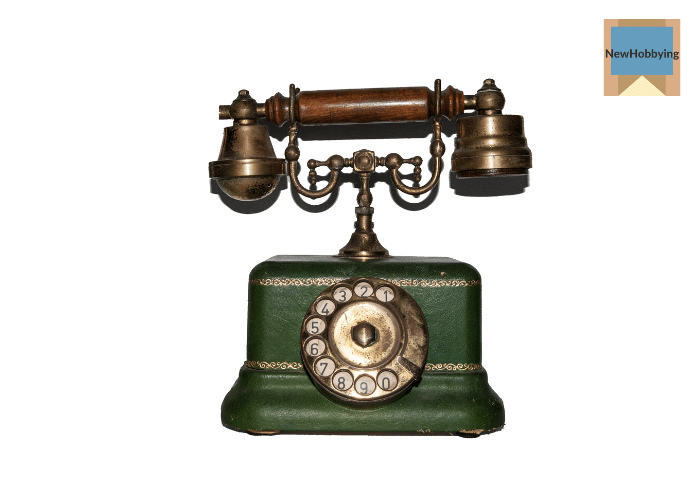
Introduction: How To Start Collecting Vintage Telephones
If you’re looking to start collecting vintage telephones, there are a few things you should know before diving in. First, it’s important to determine what type of vintage phone you’re interested in collecting. There are many different varieties of antique phones, including rotary phones, candlestick phones, and wall phones, to name a few.
Once you’ve decided on the type of phone you want to collect, it’s important to do your research. This can include reading books on antique phone collecting, attending antique phone shows, and seeking advice from experienced collectors. It’s also important to consider the condition of the phone you’re interested in purchasing, as well as its completeness, originality, and rarity. With a bit of knowledge and some patience, you can build a collection of vintage phones that you’ll be proud to display and use.
History of Vintage Telephones
Vintage telephones have been around since the late 1800s, shortly after Alexander Graham Bell patented the first telephone in 1876. Since then, telephone technology has evolved tremendously, paving the way for the modern communication devices we use today.
Invention of the Telephone
The invention of the telephone revolutionized the way we communicate with each other. The first telephones were made of wood and had a hand-cranked generator that powered the device. The earliest telephones were not very efficient and could only transmit sound over short distances. However, over time, the technology improved, and telephones became more reliable and efficient.
Manufacturers
Several manufacturers produced vintage telephones, including Western Electric, Kellogg, and Stromberg-Carlson. These companies produced a wide variety of models, including wall-mounted phones, candlestick phones, and desk phones. Each manufacturer had its own unique design and style, making vintage telephones a popular collector’s item.
Alexander Graham Bell
Alexander Graham Bell is credited with inventing the telephone, but he did not do it alone. Bell worked with Thomas Watson, a skilled mechanic, to develop the first telephone. Bell’s invention revolutionized the way we communicate and paved the way for future advancements in technology.
Overall, the history of vintage telephones is a fascinating subject that provides insight into the evolution of communication technology. Today, vintage telephones are highly sought after by collectors and enthusiasts alike, and their unique designs and styles make them a popular addition to any collection.
Collecting Vintage Telephones
If you are interested in vintage telephones, you may want to start collecting them. Collecting vintage telephones can be a fun and rewarding hobby, as well as a way to preserve a piece of history. Here are some reasons why you might want to start collecting vintage telephones, as well as some resources to help you get started.
Why Collect Vintage Telephones
There are many reasons why people collect vintage telephones. For some, it is a way to reconnect with the past and appreciate the craftsmanship of a bygone era. Others may be interested in the historical significance of telephones and how they have evolved over time. Whatever your reason, collecting vintage telephones can be a rewarding experience.
Resources for Collectors
If you are interested in collecting vintage telephones, there are many resources available to help you get started. Here are some places to look:
- Antique shops and flea markets: These are great places to find vintage telephones. You may be able to find a great deal on a rare or unusual phone.
- Online marketplaces: Websites like eBay and Etsy are great places to find vintage telephones. You can often find a wide selection of phones at a range of prices.
- Books: There are many books available on the subject of vintage telephones. These books can provide valuable information on the history of telephones, as well as tips on collecting and restoring them.
Joining a Club
If you are serious about collecting vintage telephones, you may want to consider joining a club. The Antique Telephone Collectors Association (ATCA) is the largest telephone collectors organization in the world. The ATCA has members located throughout the United States, Canada, Europe, and Australia. Membership in the ATCA provides access to a wealth of information on vintage telephones, as well as opportunities to buy, sell, and trade phones with other collectors.
In conclusion, collecting vintage telephones can be a fun and rewarding hobby. Whether you are interested in the history of telephones or simply appreciate the craftsmanship of a bygone era, there are many resources available to help you get started. Consider joining a club like the ATCA to connect with other collectors and learn more about this fascinating hobby.
Valuable Vintage Telephones
When it comes to collecting vintage telephones, it’s important to know which ones are valuable. Here are some factors that determine the value of an antique phone:
Condition
The condition of the antique phone plays a significant role in determining its value. A phone that is in excellent condition and has been well-maintained will be worth more than one that is damaged or has missing parts. The condition of the phone’s casing, receiver, transmitter, and cords should be evaluated to determine its value.
Completeness
A complete antique phone is more valuable than one that is missing parts. A phone that includes all of its original parts, such as the ringer box, cords, and handset, will be worth more than one that is missing parts. It’s important to note that some parts may be difficult to find, which can affect the value of the phone.
Rarity
The rarity of an antique phone is another factor that determines its value. Phones that were produced in limited quantities or were only available for a short period of time are considered rare and will be worth more than phones that were mass-produced. Additionally, phones that were produced by lesser-known manufacturers or were only available in certain regions may also be considered rare and valuable.
Scarcity
Scarcity is another important factor in determining the value of an antique phone. Phones that are difficult to find or are in high demand will be worth more than phones that are readily available. Additionally, phones that are popular among collectors or have historical significance may also be considered scarce and valuable.
Overall, when it comes to collecting valuable antique telephones, it’s important to consider factors such as condition, completeness, rarity, and scarcity. By evaluating these factors, collectors can determine the value of a vintage telephone and make informed decisions about which phones to add to their collections.
Types of Vintage Telephones
When it comes to vintage telephones, there are several types that collectors can choose from. Here are some of the most popular types of vintage telephones:
Candlestick Telephone
The candlestick telephone is one of the earliest types of telephones. It was first introduced in the late 1800s and was in use until the 1920s. The telephone was named after its candlestick-shaped design. The early models had a mouthpiece mounted on a stand, with a separate earpiece that was held up to the ear. Later models had a combined earpiece and mouthpiece.
Rotary Dial
The rotary dial telephone was introduced in the 1920s and was in use until the 1960s. This type of telephone had a circular dial with numbers on it. To make a call, the user would rotate the dial to the desired number. The rotary dial telephone was the standard telephone for many years and is one of the most recognizable vintage telephones.
Payphones
Payphones were a common sight in public places, such as train stations and street corners, until the 1990s. They were used to make calls by inserting coins or tokens into the phone. Payphones were typically made of metal and were designed to be durable and withstand heavy use.
Bakelite Phone
The Bakelite phone was introduced in the 1930s and was in use until the 1950s. Bakelite was a type of plastic that was used to make the phone’s casing. The Bakelite phone was available in a range of colors and designs, making it a popular choice for many people.
In conclusion, vintage telephones come in a variety of types, each with its own unique history and design. Collectors can choose from a range of options, including the candlestick telephone, rotary dial, payphones, and Bakelite phone.
Restoring Vintage Telephones
Restoring vintage telephones is a rewarding hobby that requires patience and attention to detail. Whether you’re a seasoned collector or just starting out, restoring a vintage telephone can be a fun and educational experience. In this section, we’ll cover the basics of restoring a vintage telephone, including cleaning, original parts, and landlines.
Cleaning
Before you start restoring your vintage telephone, it’s important to clean it thoroughly. Use a soft cloth and a gentle cleaning solution to wipe down the exterior of the telephone. Be careful not to get any water or cleaning solution inside the telephone, as this can damage the internal components.
Original Parts
When restoring a vintage telephone, it’s important to use original parts whenever possible. This will ensure that your telephone is as authentic as possible and will help to preserve its value. You can find original parts at antique stores, online marketplaces, and even at telephone shows.
Landlines
If you’re restoring a vintage telephone, you’ll need to connect it to a landline in order to use it. While many people no longer use landlines, they are still available through most telephone companies. You may also need to purchase a converter in order to connect your vintage telephone to a modern landline.
In conclusion, restoring vintage telephones requires patience, attention to detail, and a love of history. By following these basic tips, you can restore a vintage telephone to its former glory and enjoy the unique experience of using a piece of history in your everyday life.
Displaying Vintage Telephones
When it comes to vintage telephone collecting, displaying your collection is just as important as finding and acquiring the phones themselves. Here are some tips on how to display your vintage telephones:
Focus
When displaying your vintage telephones, it’s important to choose a focal point. This could be a particular era or style of phone, or a specific manufacturer. By choosing a focal point, you can create a cohesive and visually appealing display.
For example, you could choose to focus on Art Deco-style phones from the 1930s, or rotary dial phones from the 1960s. You could also focus on phones from a particular manufacturer, such as Western Electric or Bell.
Care
Once you’ve chosen your focal point, it’s important to take care when displaying your vintage telephones. Here are some tips:
- Clean your phones regularly using a soft, dry cloth. Avoid using water or cleaning products, as these can damage the phones.
- Keep your phones out of direct sunlight, which can fade the colors and damage the plastic.
- Avoid placing your phones near sources of heat or moisture, such as radiators or humidifiers.
- Use stands or mounts to display your phones, rather than propping them up on shelves or tables. This will help prevent them from falling and getting damaged.
By following these tips, you can create a beautiful and well-maintained display of vintage telephones.
Frequently Asked Questions
What is the value of vintage phones?
The value of vintage phones can vary greatly depending on factors such as age, rarity, condition, and brand. Some vintage phones can be worth thousands of dollars, while others may only be worth a few hundred. It’s important to do your research and consult with experts to determine the value of your vintage phone.
How much are old dial phones worth?
Old dial phones, particularly rotary dial phones, are popular among collectors and can range in value from $50 to several hundred dollars. Again, the value depends on factors such as age, rarity, and condition.
Where can I find an antique rotary phone for sale?
Antique rotary phones can be found for sale at antique stores, flea markets, and online marketplaces such as eBay and Etsy. It’s important to carefully inspect the phone and ask questions about its condition and history before making a purchase.
What is the Antique Telephone Collectors Association?
The Antique Telephone Collectors Association is a non-profit organization dedicated to the preservation and restoration of antique telephones. Members have access to resources such as a quarterly magazine, online forums, and an annual convention.
Where can I find antique telephone parts?
Antique telephone parts can be found at specialty shops and online retailers such as Oldphoneworks.com and Antiquephonestore.com. It’s important to ensure that the parts are compatible with your specific phone model.
Can antique telephones still be used?
Yes, antique telephones can still be used with some modifications. It’s important to consult with an expert to ensure that the phone is properly wired and compatible with modern phone systems.